Tag: SLC6A1-Spain

  • Educational material about genetics, the SLC6A1 gene and the role of GABA in the brain.

    SLC6A1: a simple look at genetics and GABA

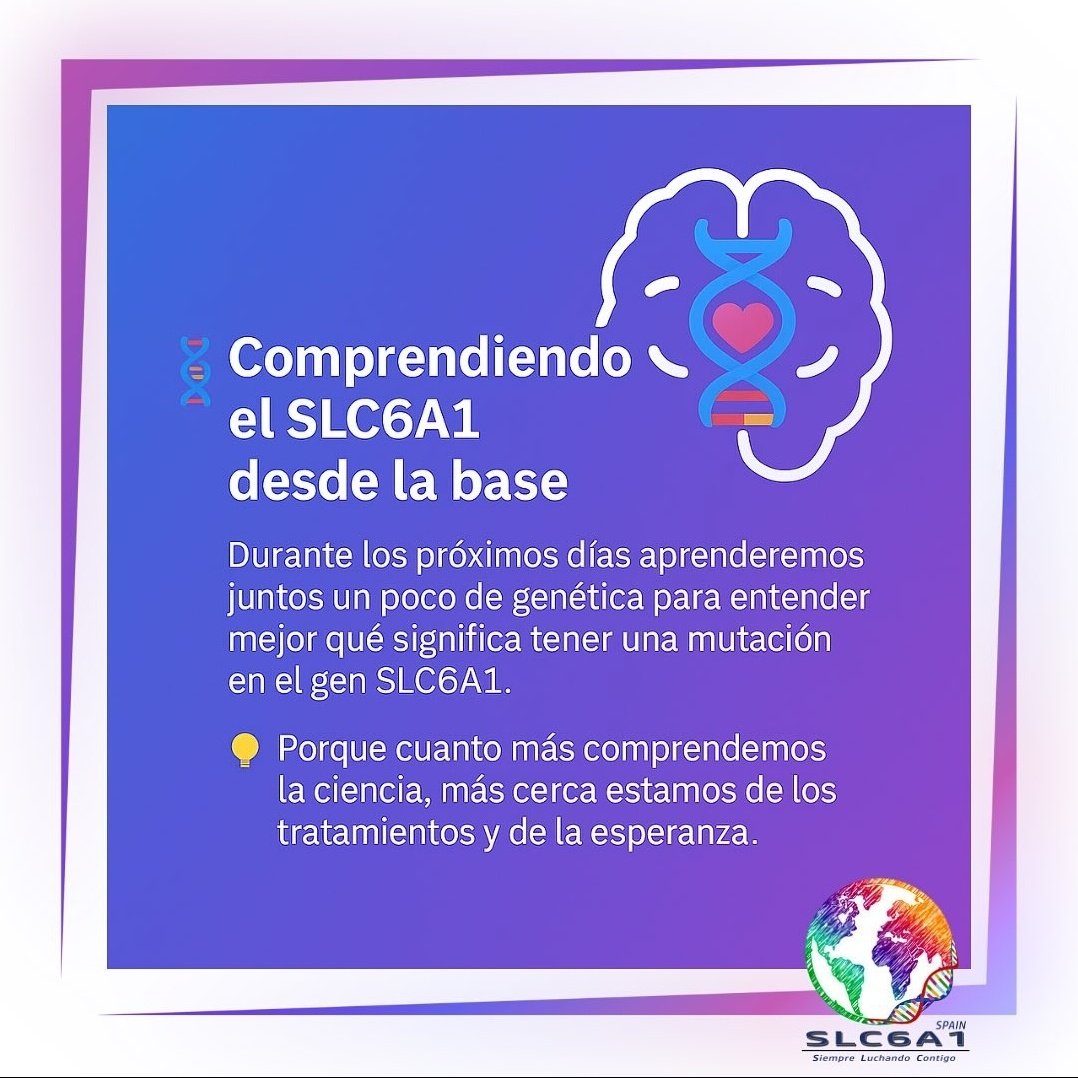
    At SLC6A1-Spain we believe that understanding genetics better helps us to understand the disorder associated with SLC6A1 and to ask informed questions together with healthcare professionals.

    DNA, genes and variants

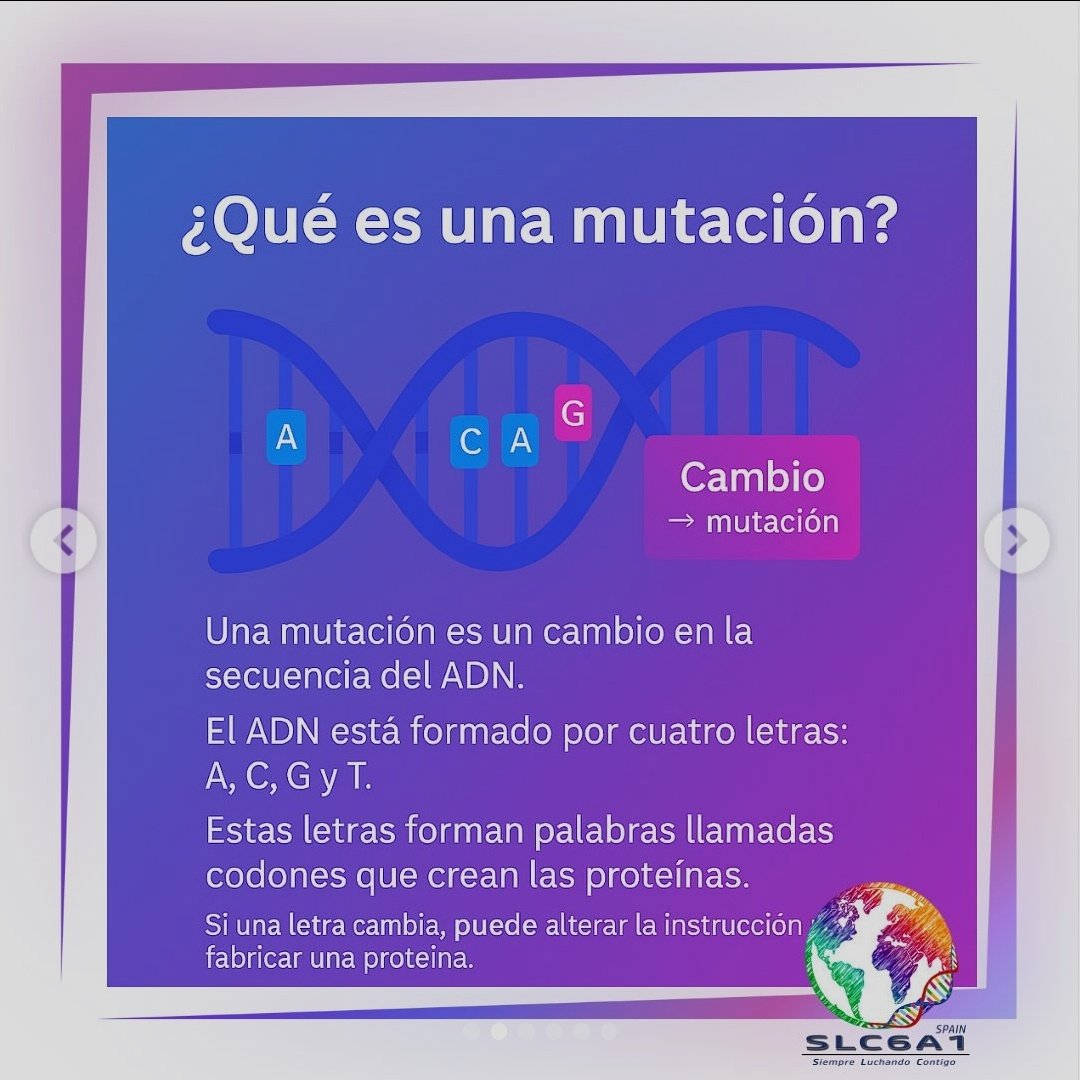
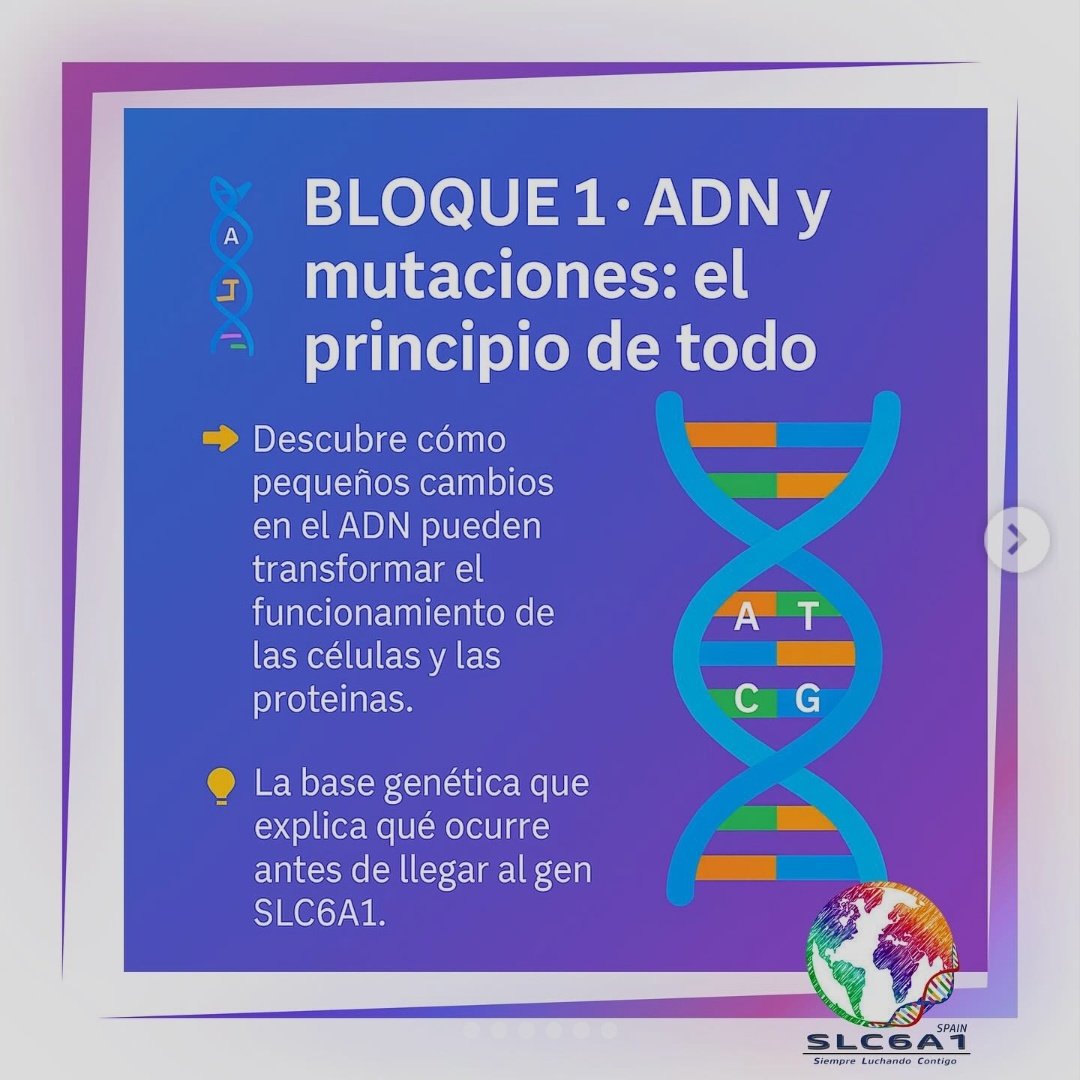
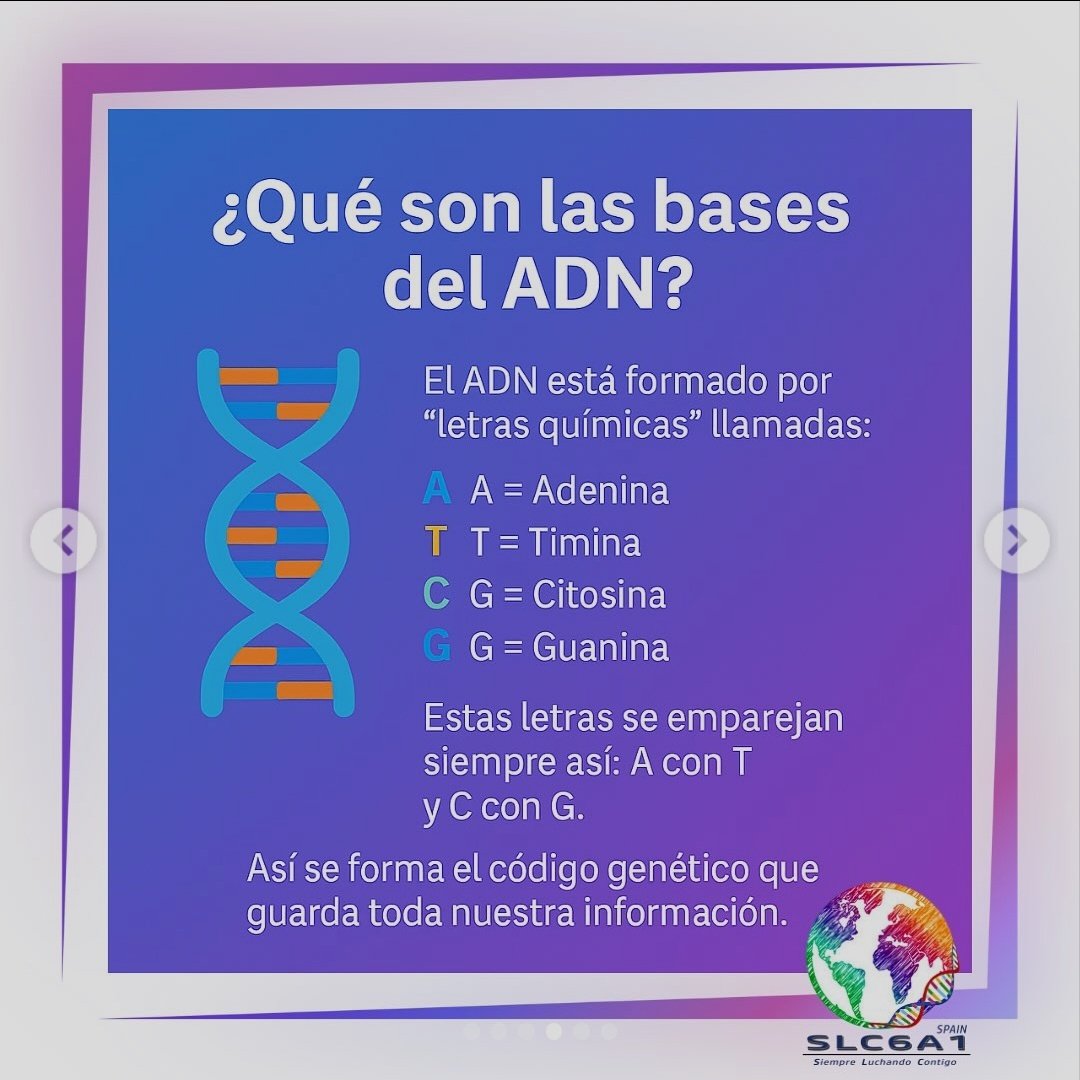
    DNA contains our body’s genetic information. It is made up of four chemical “letters”, represented by A, T, C and G, which combine to form instructions.

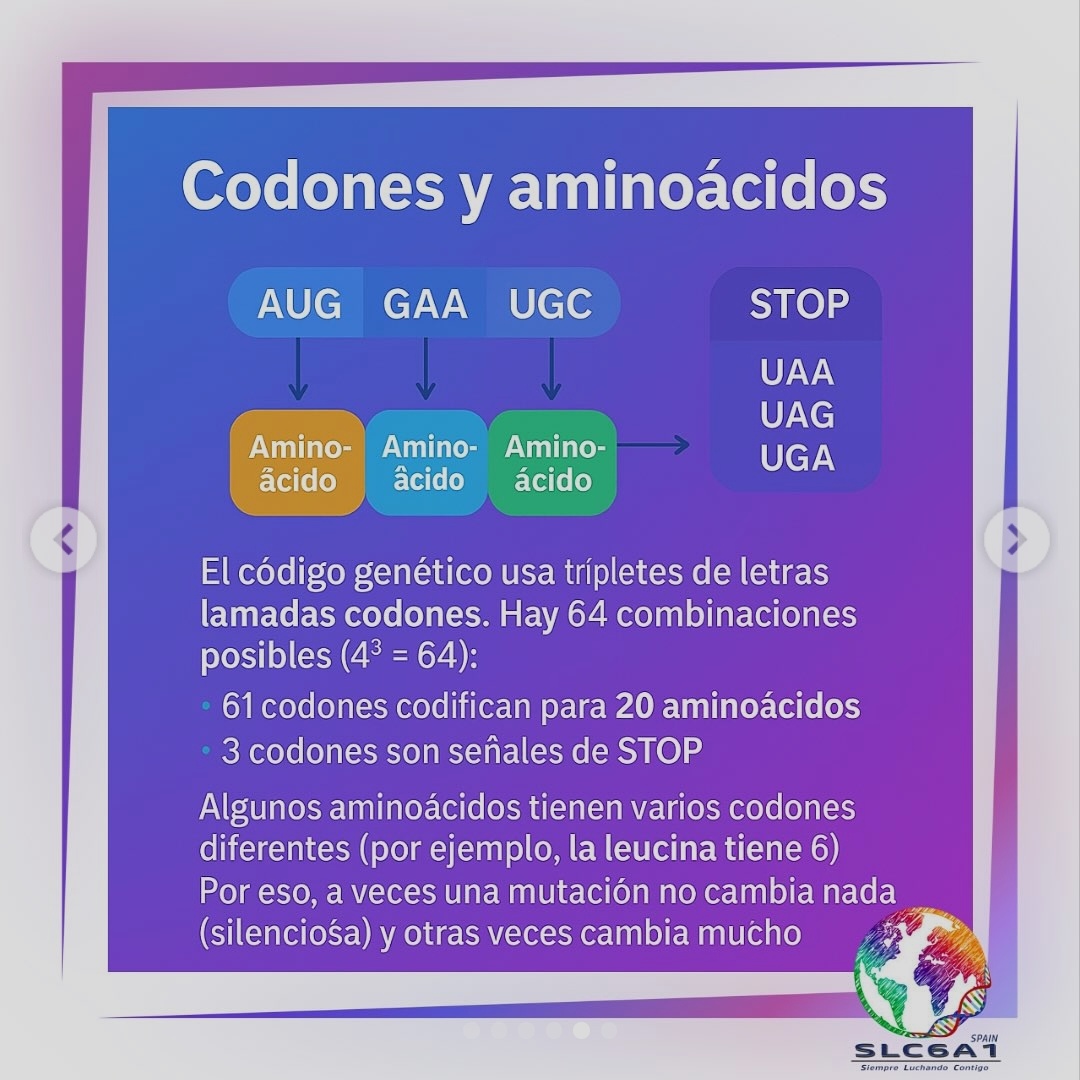
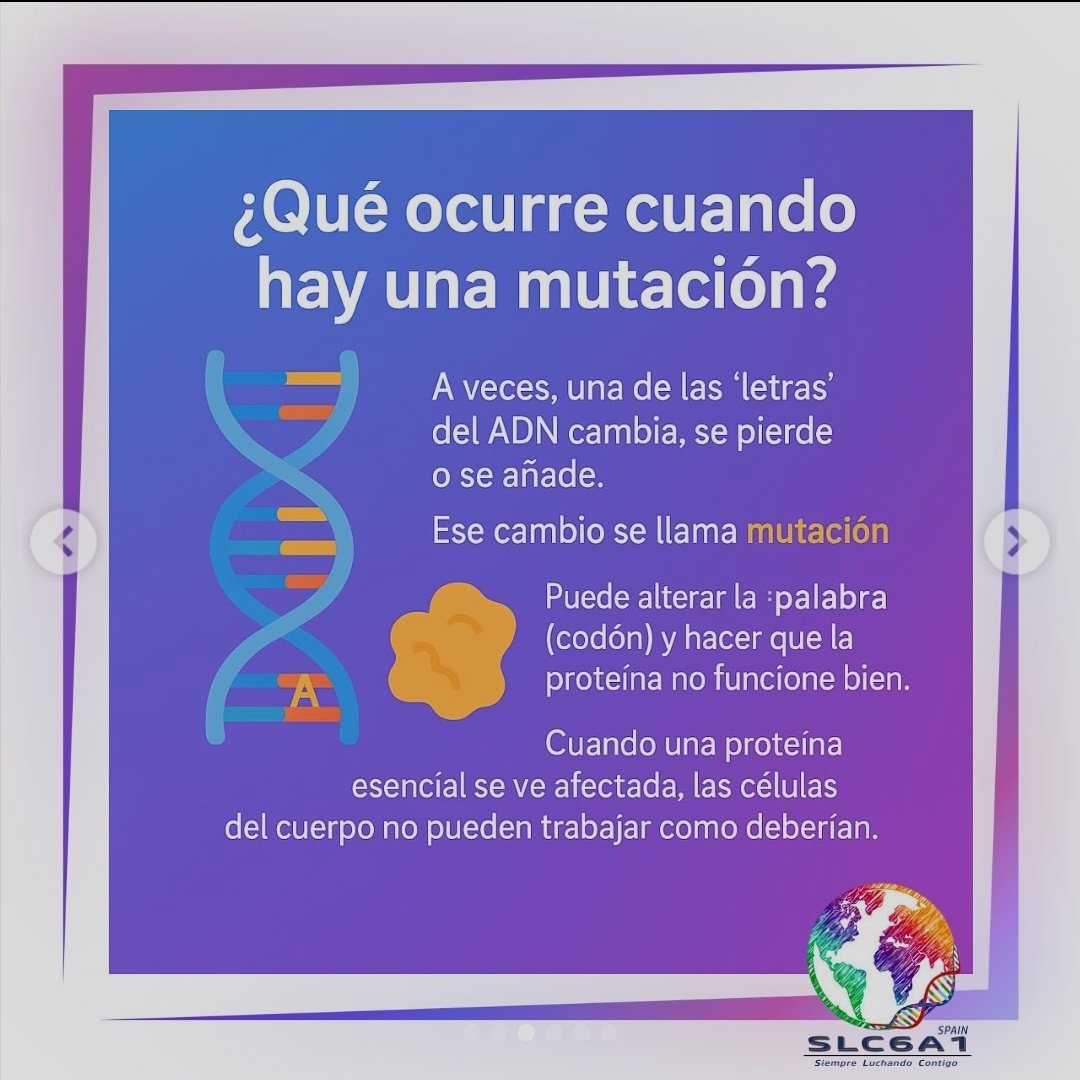
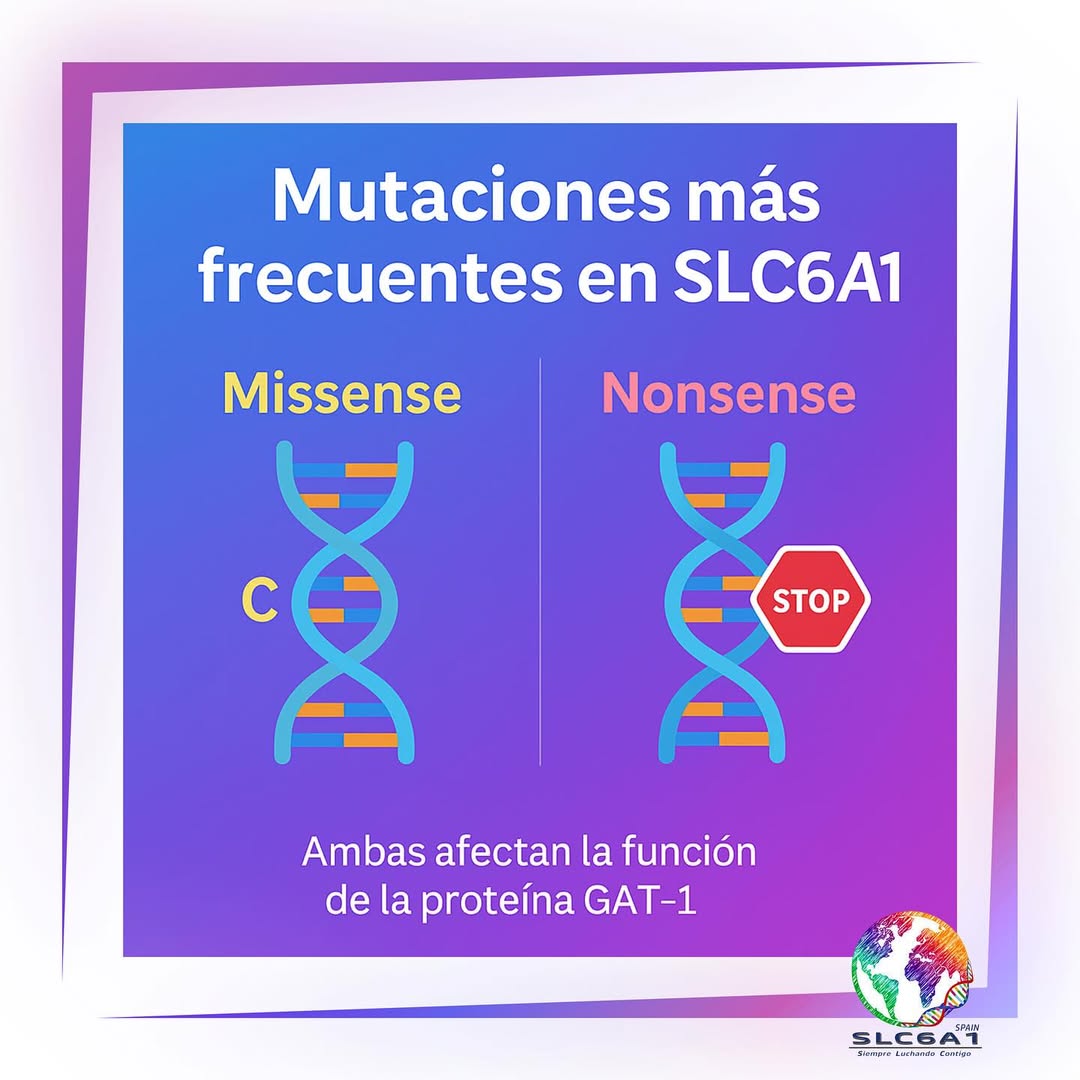
    Some of these instructions are organised into codons, which relate to amino acids, the building blocks needed to make proteins. Sometimes a letter can change, be missing or be added. These changes are called variants or mutations.

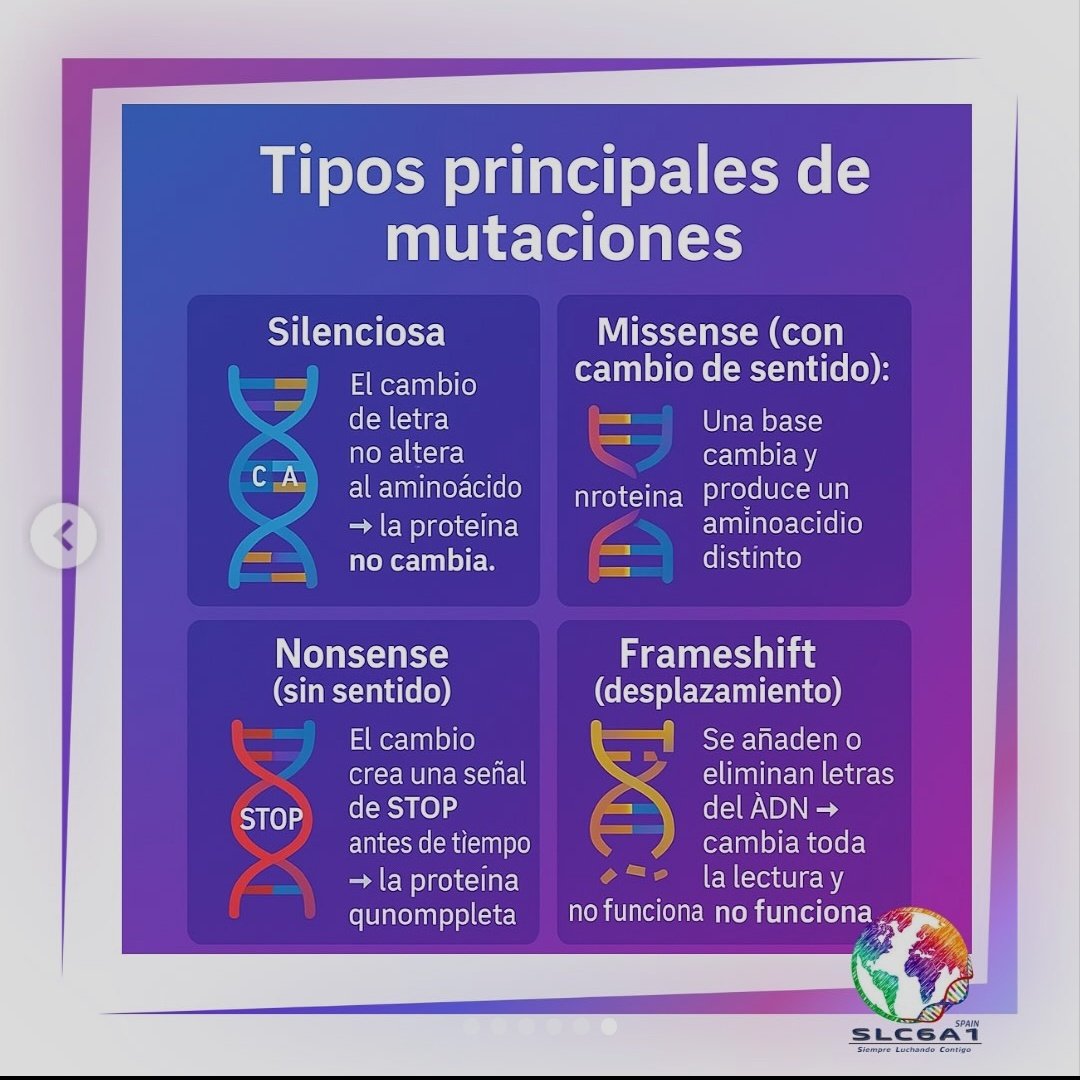
    Their effects are not always the same: some changes may have no visible consequences, while others may alter the shape or function of a protein. This diversity is one reason why people with changes in SLC6A1 may be affected in different ways.

    How is SLC6A1 related to GABA?

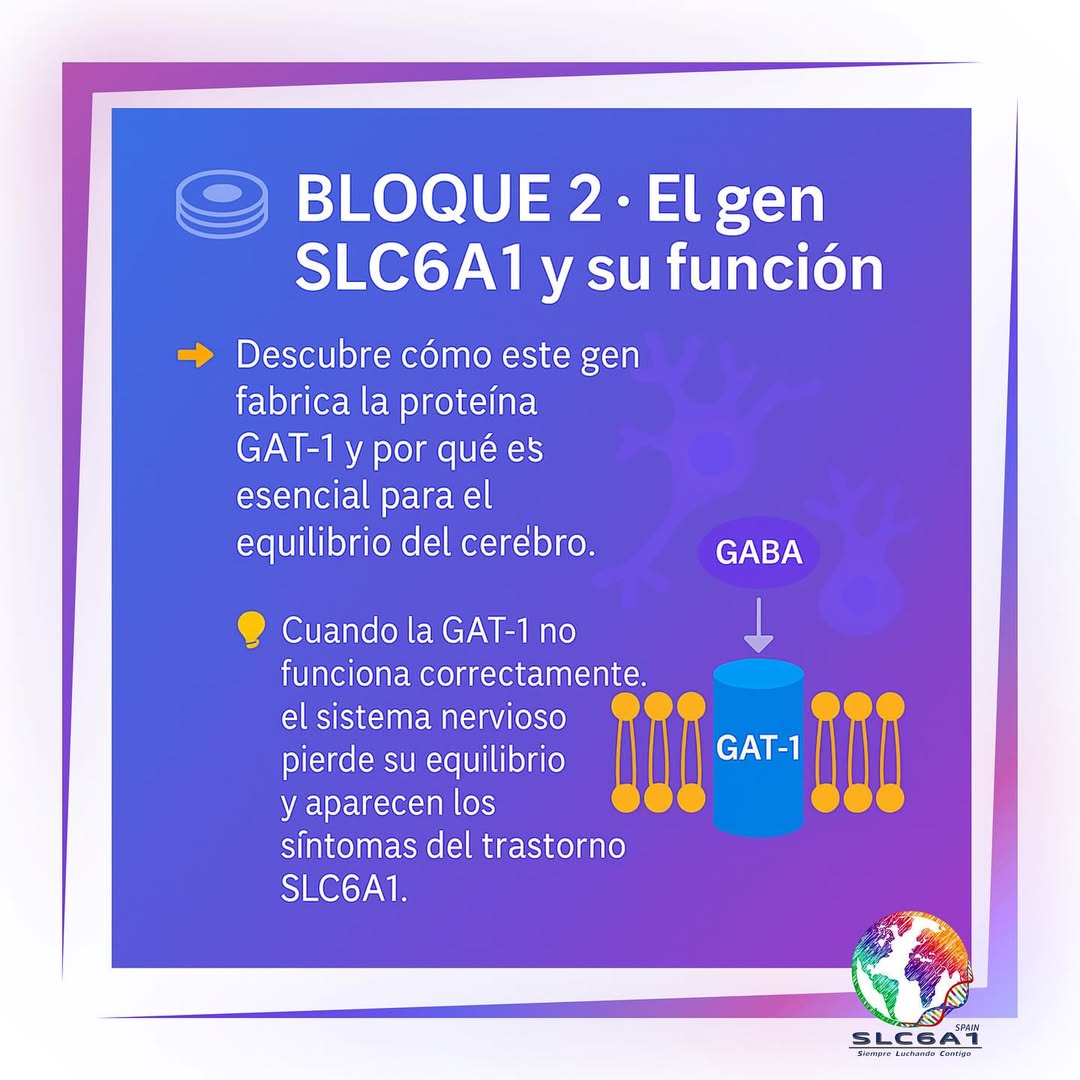
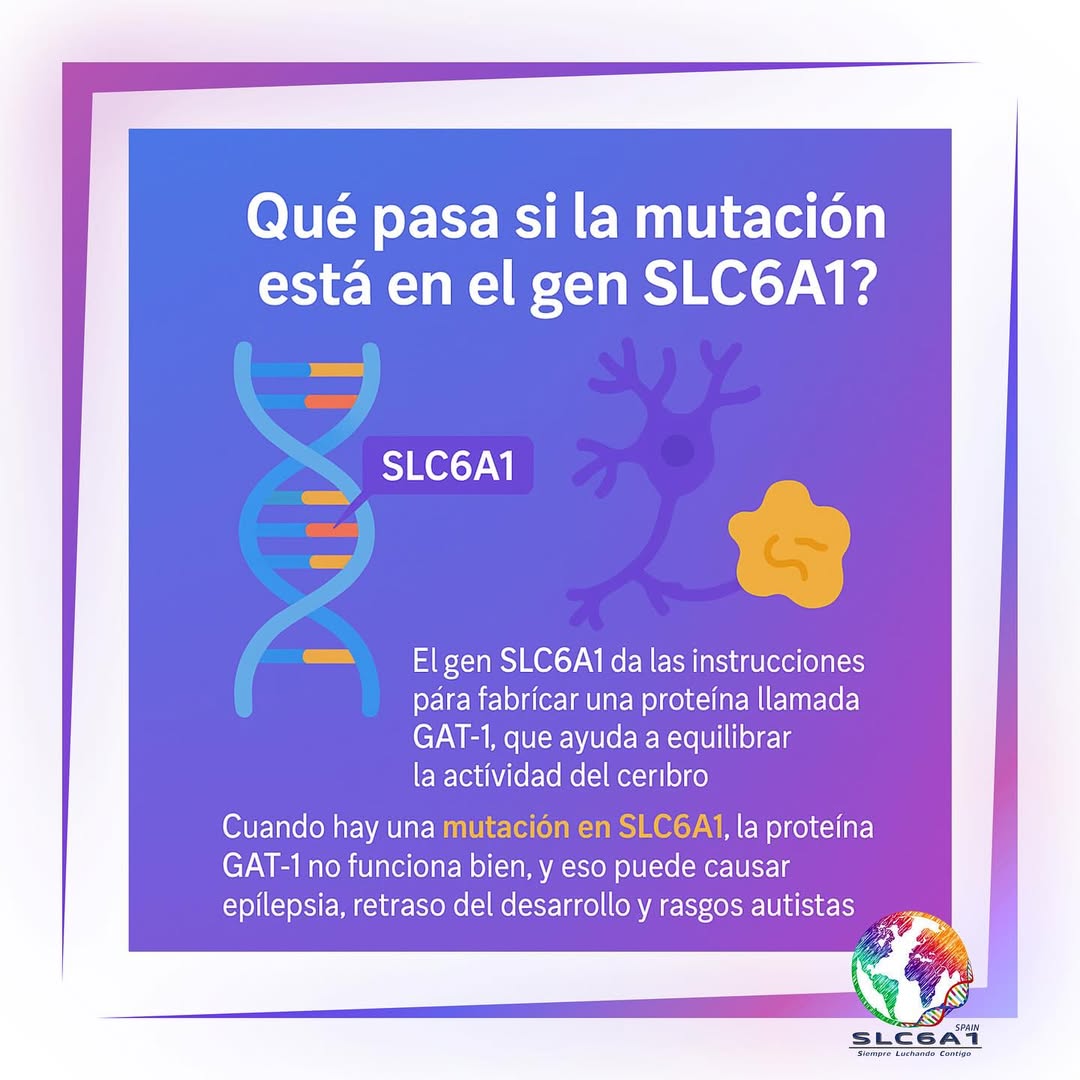
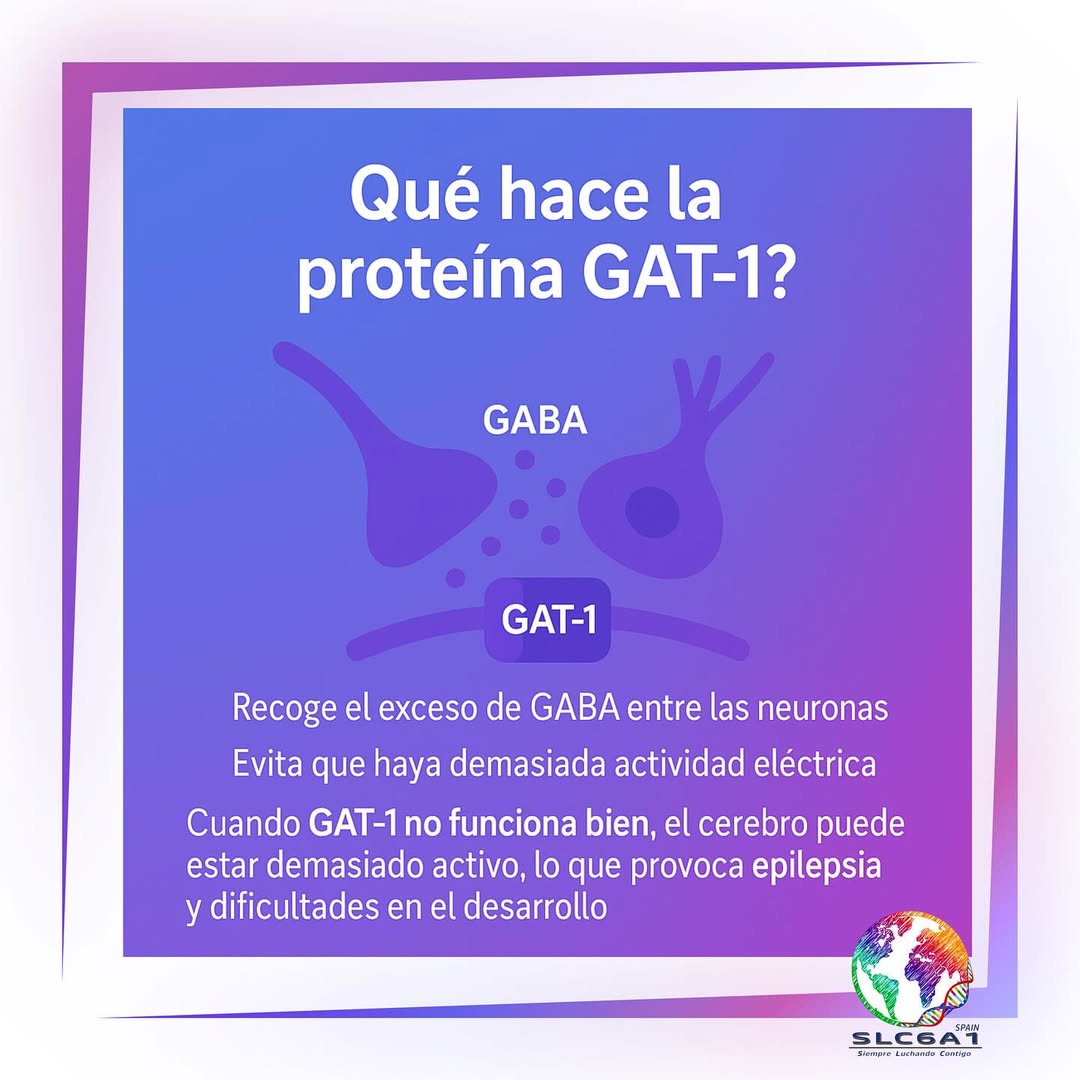
    The SLC6A1 gene is related to the production of the GAT-1 protein. This protein takes part in transporting GABA, an inhibitory neurotransmitter in the brain.

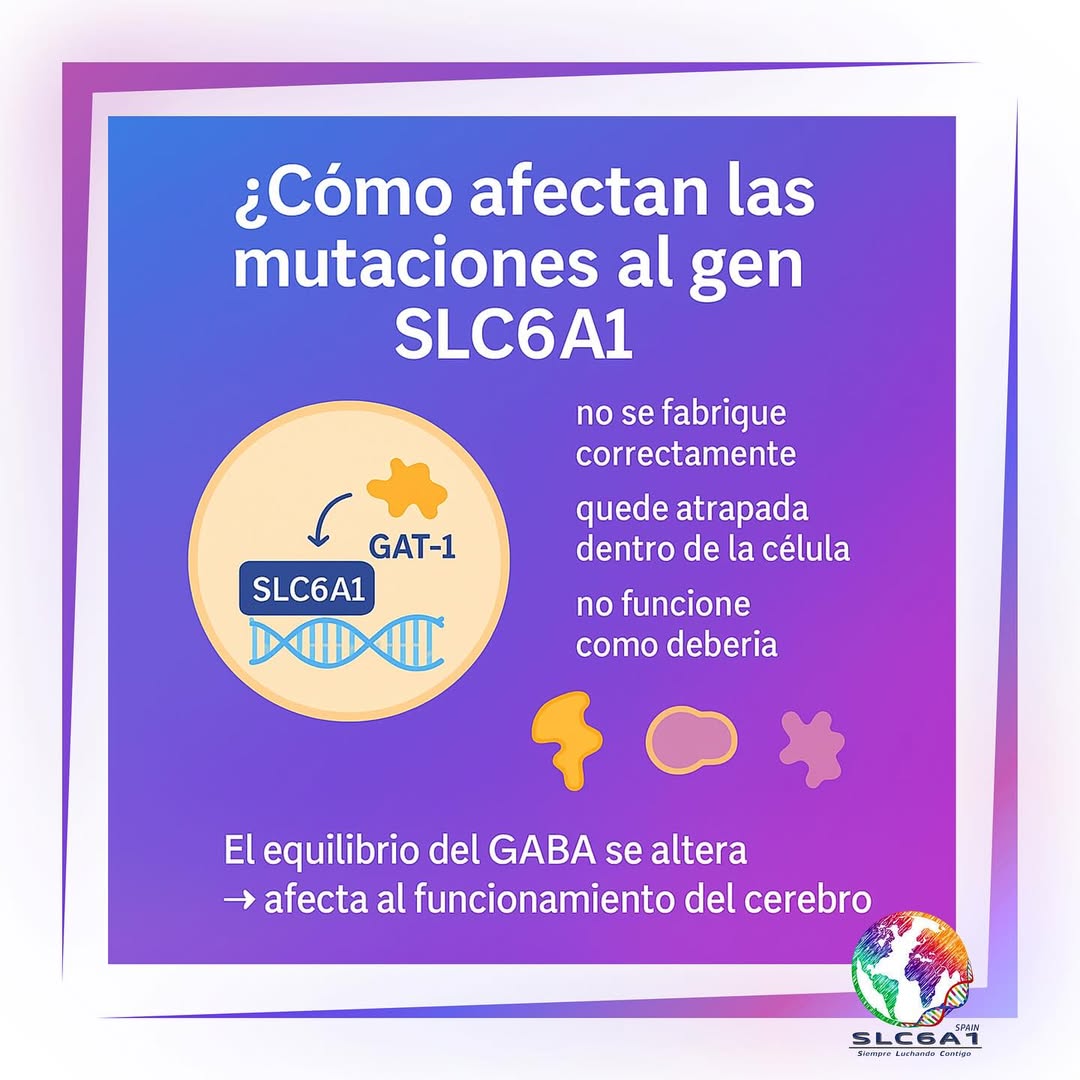
    Communication between nerve cells depends on a balance between signals that activate and signals that inhibit. When a variant in SLC6A1 affects how GAT-1 works, this balance may be disrupted. Exactly how this happens, and its consequences, are still being studied.

    What does haploinsufficiency mean?

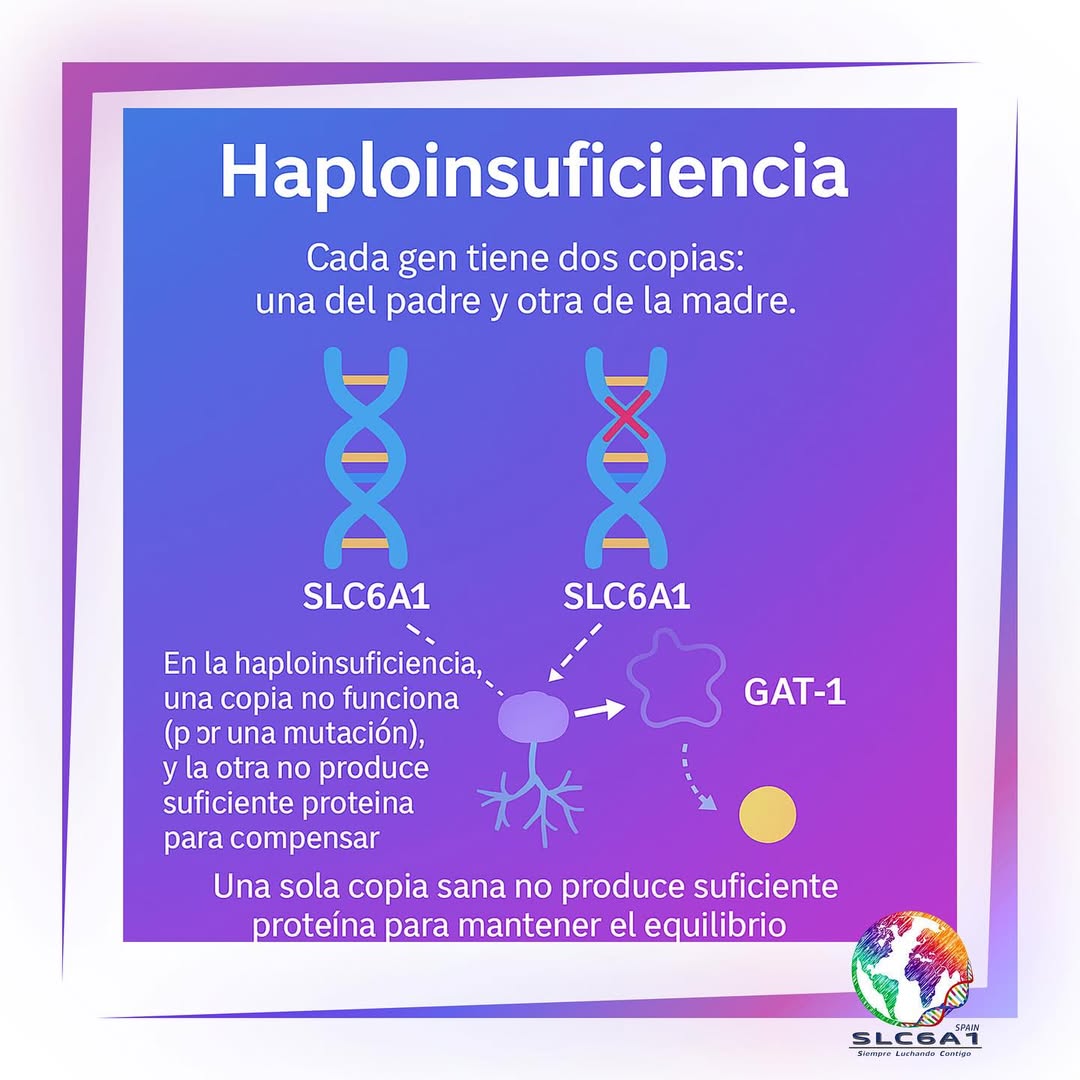
    Haploinsufficiency describes a situation in which a single working copy of a gene does not produce enough of a protein for its function to be properly maintained. In the context of SLC6A1, this concept helps to explain why reduced GAT-1 function can have effects on the nervous system.

    Research continues in order to better understand the relationship between variants, GAT-1 function and the features that may appear, such as epilepsy, developmental difficulties or some autism spectrum traits. Every advance in knowledge can help improve understanding of, and support for, people and their families.
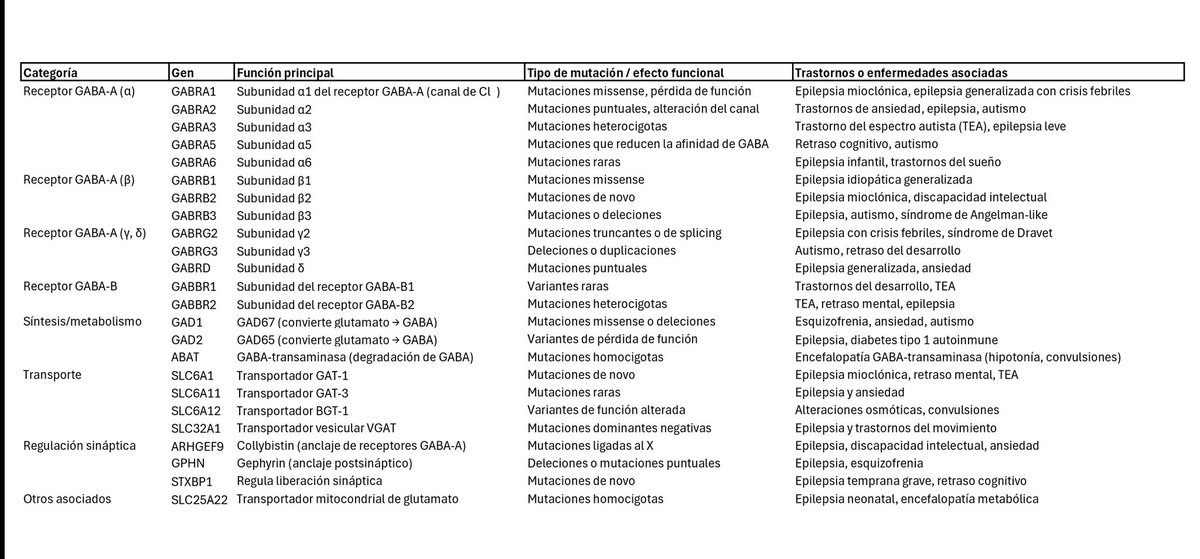
    Educational illustration (in Spanish) about DNA, the SLC6A1 gene, the GAT-1 protein and the neurotransmitter GABA
    Educational illustration (in Spanish) about DNA, the SLC6A1 gene, the GAT-1 protein and the neurotransmitter GABA
    Educational illustration (in Spanish) about DNA, the SLC6A1 gene, the GAT-1 protein and the neurotransmitter GABA
    Educational illustration (in Spanish) about DNA, the SLC6A1 gene, the GAT-1 protein and the neurotransmitter GABA
    Educational illustration (in Spanish) about DNA, the SLC6A1 gene, the GAT-1 protein and the neurotransmitter GABA
    Educational illustration (in Spanish) about DNA, the SLC6A1 gene, the GAT-1 protein and the neurotransmitter GABA
    Educational illustration (in Spanish) about DNA, the SLC6A1 gene, the GAT-1 protein and the neurotransmitter GABA
    Educational illustration (in Spanish) about DNA, the SLC6A1 gene, the GAT-1 protein and the neurotransmitter GABA
    Educational illustration (in Spanish) about DNA, the SLC6A1 gene, the GAT-1 protein and the neurotransmitter GABA
    Educational illustration (in Spanish) about DNA, the SLC6A1 gene, the GAT-1 protein and the neurotransmitter GABA
    Educational illustration (in Spanish) about DNA, the SLC6A1 gene, the GAT-1 protein and the neurotransmitter GABA
    Educational illustration (in Spanish) about DNA, the SLC6A1 gene, the GAT-1 protein and the neurotransmitter GABA
    Educational illustration (in Spanish) about DNA, the SLC6A1 gene, the GAT-1 protein and the neurotransmitter GABA

    Sources

    See the original post on X (in Spanish)

  • Without science there is no future for rare diseases

    At SLC6A1-Spain we join the call “Without science there is no future” («Sin ciencia no hay futuro»). Biomedical research helps us better understand rare diseases and opens paths towards more accurate diagnoses, more appropriate care and new therapeutic options.

    For people and families living with a rare disease, every scientific advance matters. So does collaboration between research teams, healthcare professionals, institutions and associations, as well as continued support for rigorous projects focused on patients’ real needs.

    Research is a form of support

    Science does not offer immediate answers to every challenge, but it does build knowledge step by step. That sustained effort helps reduce uncertainty and improve understanding of rare diseases.

    That is why we believe research must have a stable place among social and healthcare priorities. We need rare diseases to remain visible and affected people to be listened to throughout the process.

    Always fighting by your side

    At SLC6A1-Spain we continue working to raise awareness of the SLC6A1-related syndrome, support families and promote an informed, collaborative and hopeful community.

    Solidarity, responsible outreach and a commitment to science help us move forward together. Without science there is no future, and together we can help build it.

    Sources

    See the original post on X (in Spanish)

  • SLC6A1-Spain announcement about a lottery share and a possible prize

    Shared hope to keep moving forward

    SLC6A1-Spain announcement about a lottery share and a possible prize

    In 2024 we were especially excited to share luck for the first time through the Spanish Christmas Lottery. We want to share that joy with everyone who is part of SLC6A1-Spain and with those who support us every day.

    Beyond the celebration, every gesture of support reminds us of the importance of walking together. Families and supporters are an essential part of this community and of the strength with which we keep going.

    A year to keep hope alive

    We look to the new year hoping that research will keep advancing and help bring us closer to better answers for people with changes in SLC6A1. We do so with hope, but also with our feet on the ground and respecting the time that science needs.

    We will keep working to raise awareness of this reality, support families and encourage collaboration around the SLC6A1-related syndrome.

    Thank you for being by our side, for contributing and for helping us keep this cause alive. Every bit of support counts and encourages us to keep always fighting by your side (siempre luchando contigo).

    Sources

    See the original post on X (in Spanish)