
Tag: SLC6A1-Spain

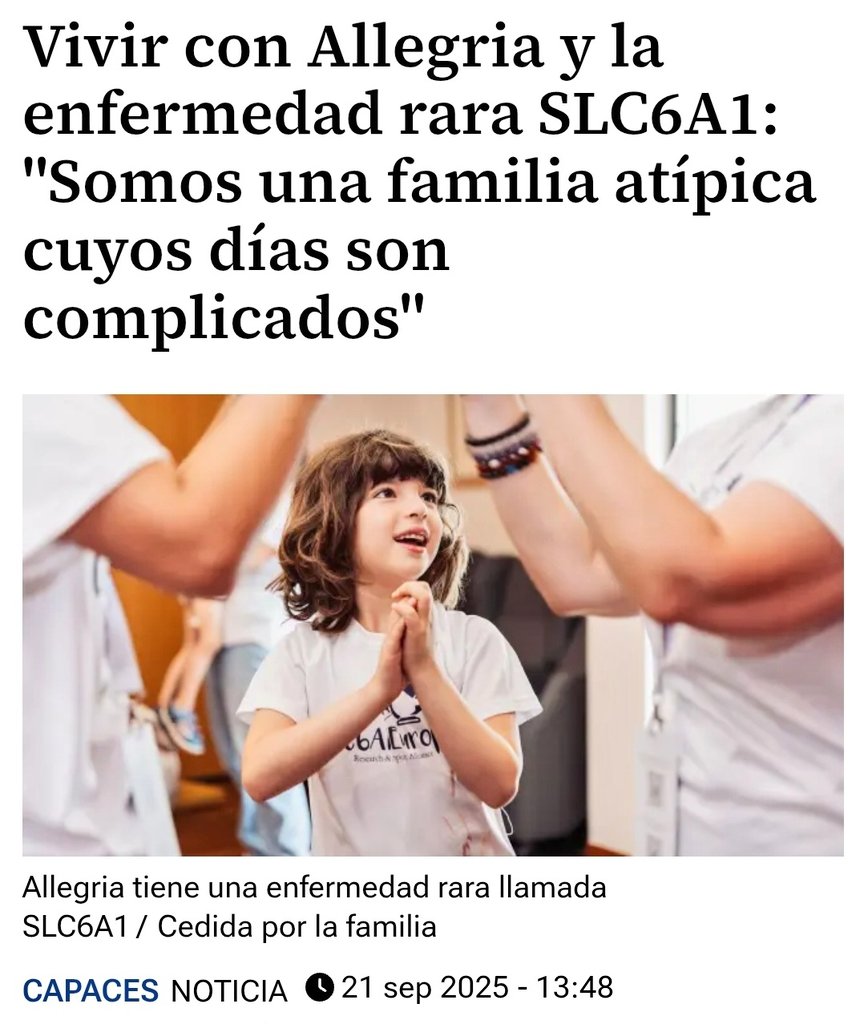
  • Family affected by SLC6A1 whose experience is featured in a news report

    Support for families after an SLC6A1 diagnosis

    Family affected by SLC6A1 whose experience is featured in a news report

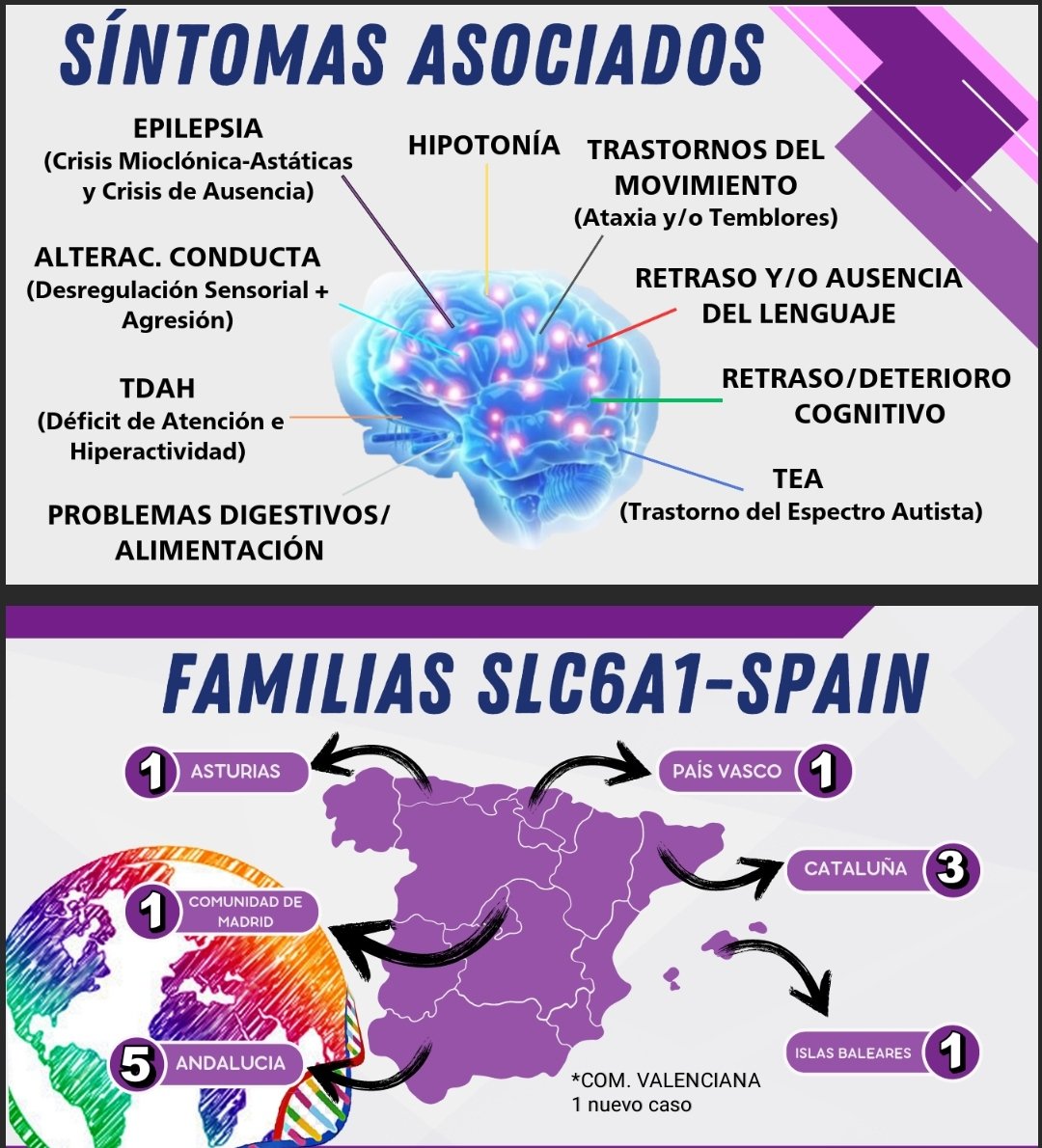
    A family affected by SLC6A1 has publicly shared their experience of living with a rare disease that may be associated with epilepsy, learning and communication difficulties, intellectual disability and behavioural changes. How these features appear, and how intense they are, differs from person to person.

    Their testimony highlights a reality that many families know well: receiving a diagnosis can be experienced as a period of grief. At that time, fear, uncertainty, worry about the future and the need to understand what the disease means in everyday life may arise.

    Psychological support matters too

    At SLC6A1-Spain we believe that families should not face the emotional impact of the diagnosis alone. Clear information, psychological support and contact with other families can help people go through this process with more support and understanding.

    Daily life can bring challenges related to communication, emotional regulation, sleep, safety and behaviour. Each family finds its own path, with difficult moments but also with bonds, lessons and progress that deserve to be recognised.

    Raising awareness to provide better support

    Sharing these experiences helps society better understand the reality of rare diseases and keeps families’ needs in the public conversation. It also reminds us of the importance of building support networks that are respectful, accessible and sustained over time.

    We thank the families who generously share their voices. Their stories help others feel less alone and strengthen our commitment to information, support and awareness of SLC6A1.

    Read the full article in 20minutos (in Spanish)
    Sources

    See the original post on X (in Spanish)

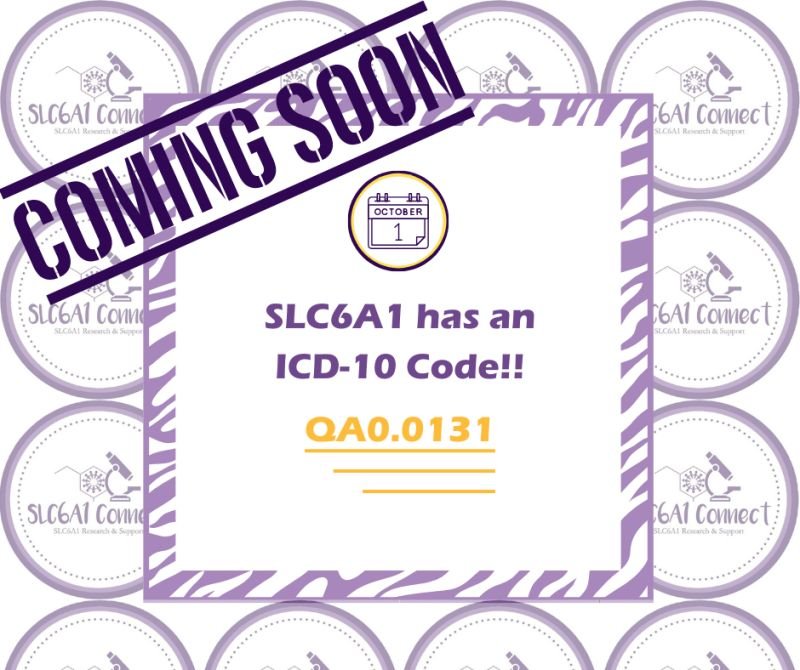
  • An important step towards the recognition of SLC6A1 in the ICD-10

    At SLC6A1-Spain we welcome with hope the announcement that the World Health Organization will recognise SLC6A1-associated developmental and epileptic encephalopathy by including it in the ICD-10 classification.

    The ICD-10 is an international classification used to organise and code health diagnoses. The recognition of an SLC6A1-related condition is a significant step towards making this rare disease visible within healthcare systems.

    For affected people and families, having a recognised place for a disease in an international classification can help make their reality more visible in different settings. It also highlights the importance of continuing to advance knowledge, care and research on SLC6A1.

    This announcement comes a decade after the publication of the first scientific article from the Carvill laboratory and after five years of efforts led by SLC6A1 Connect. We recognise the sustained work of all the people, families, professionals and researchers who have helped keep this cause on the scientific and healthcare agenda.

    We will continue to share progress on this process with caution and confidence. Every step that helps identify and raise awareness of SLC6A1-associated developmental and epileptic encephalopathy strengthens our community and keeps the door open to further progress.

    Image from the post “An important step towards the recognition of SLC6A1 in the ICD-10”

    Sources

    See the original post on X (in Spanish)

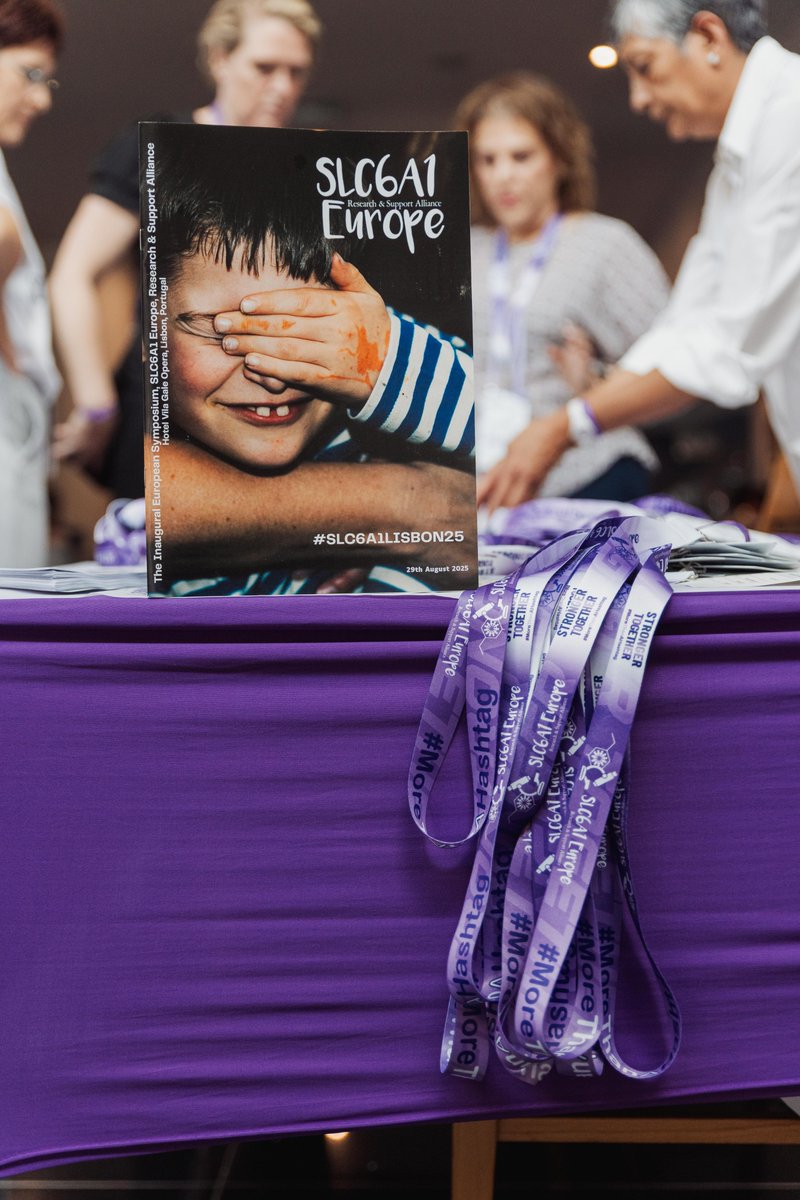
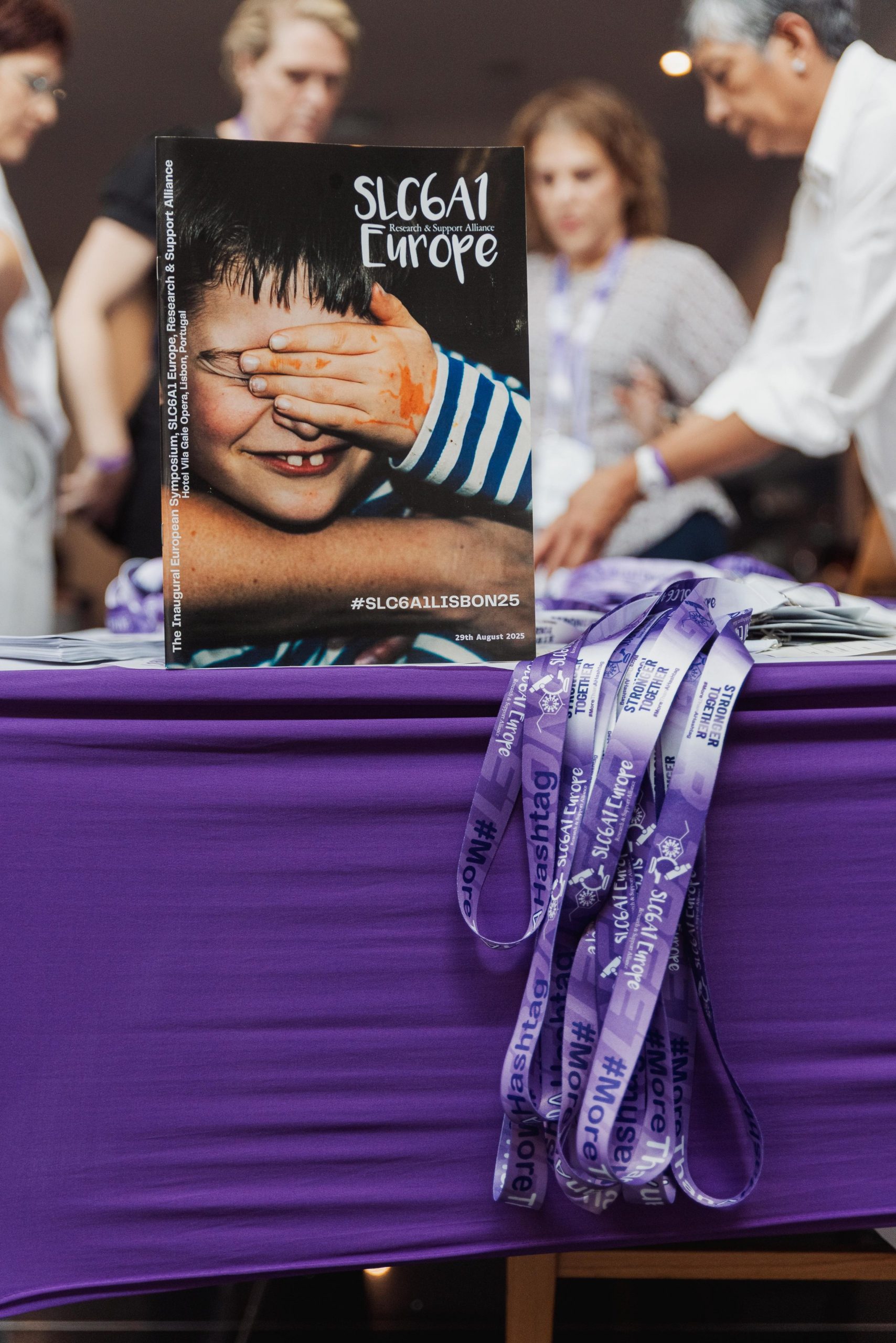
  • Image shared with the announcement of SLC6A1-Spain’s first steps in a European alliance, with Lisbon as the first stop.

    Our first steps in the European alliance: Lisbon

    At SLC6A1-Spain we are taking our first steps within the European alliance. Lisbon is our first stop on this journey.

    For us, this beginning is an opportunity to keep moving forward alongside other initiatives related to SLC6A1 syndrome and to keep our association connected at European level.

    First stop: Lisbon

    Lisbon hosted this first step of our European journey. The city symbolises the start of a stage in which we want to be present, join forces and support families from an open and collaborative perspective.

    We approach this journey with enthusiasm, responsibility and a commitment to continue raising awareness of SLC6A1 syndrome.

    A shared path

    In this new stage, we stress the importance of building links between associations and people connected with SLC6A1 syndrome in different European countries.

    We keep moving forward step by step, focused on collaboration and on supporting our community.

    Lisbon is only the beginning.

    Image from the post “Our first steps in the European alliance: Lisbon”

    Sources

    See the original post on X (in Spanish)

  • A podcast to learn about SLC6A1

    Talking about rare diseases also means creating spaces to inform, ask questions and encourage greater awareness. SLC6A1 is one of these conditions that may still be little known and underdiagnosed.

    That is why we are sharing an educational podcast created with the help of artificial intelligence, designed to bring this topic to a wide audience. The episode raises four essential questions:

    • What is SLC6A1?
    • How does it arise?
    • What are the therapies?
    • Where can we find information?

    The audio format can be a simple way to approach these concepts and to start conversations between patients, families, professionals and anyone interested in learning more about this reality.

    Public outreach helps put questions into words and shows why it is important to keep building knowledge about rare diseases. Every resource can help more people approach the information with interest, respect and a critical eye.

    Listen to the podcast about SLC6A1

    At SLC6A1-Spain we continue to support content that helps raise awareness of SLC6A1 and the needs of those who live with it.

    Sources

    See the original post on X (in Spanish)

  • A podcast on SLC6A1-related disorders and a European symposium

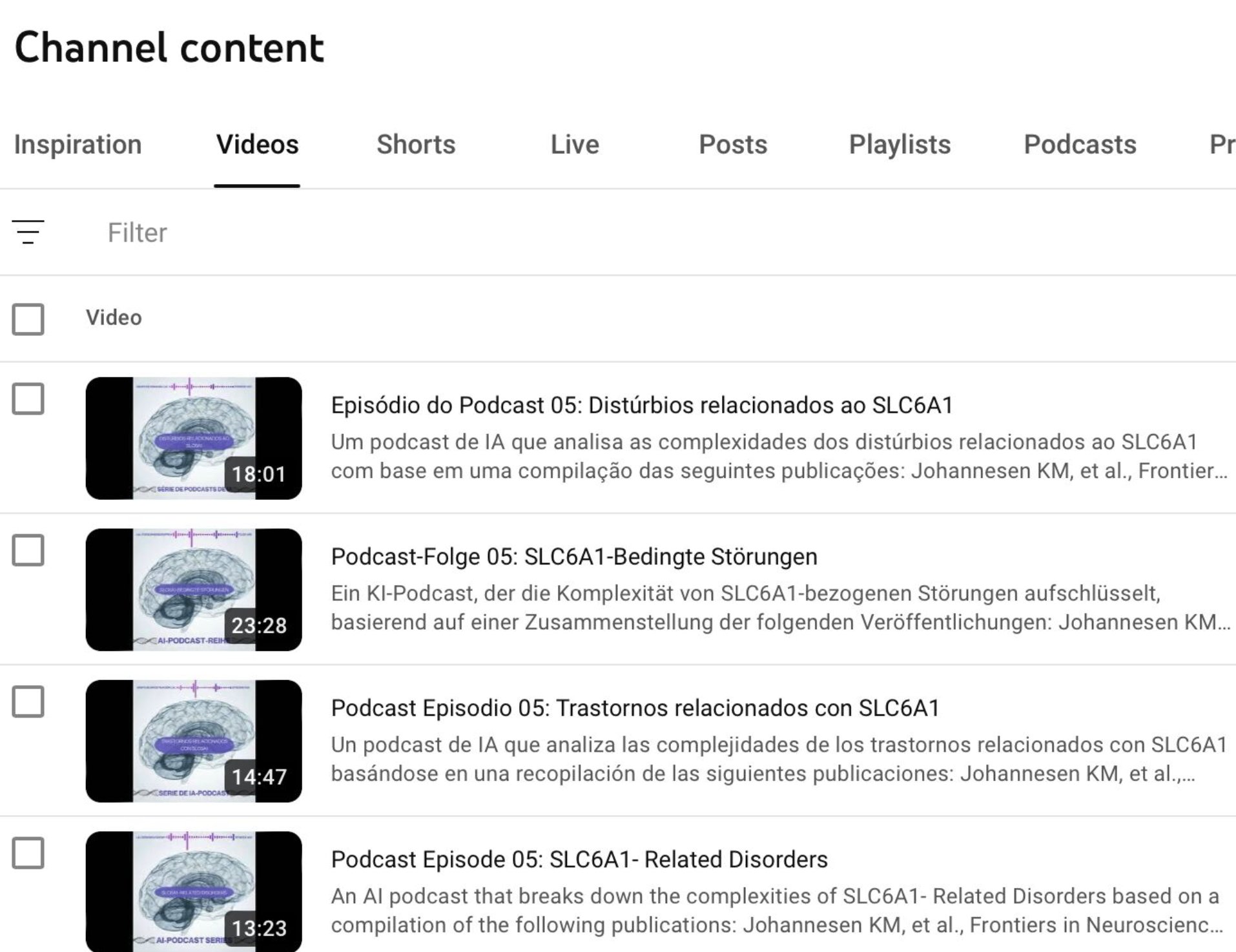
    At SLC6A1-Spain we are sharing a new educational resource related to our community: episode 05 of the podcast SLC6A1-related disorders, dedicated to rare diseases and, in particular, to SLC6A1-associated developmental and epileptic encephalopathy.

    The episode is available on YouTube. It has also been announced in English, German and Portuguese, which can make the information easier to access for people and families in different countries.

    Listen to episode 05 on SLC6A1-related disorders

    A European meeting in Lisbon

    The first symposium on SLC6A1 in Europe was also announced. The meeting took place on 29 August 2025 in Lisbon, as part of IEC2025.

    Outreach and meeting spaces for families, professionals and researchers help raise awareness of SLC6A1-related disorders and encourage the exchange of knowledge and experience. We will keep following news about this initiative and share any information that may be useful for our community.

    Image from the post “A podcast on SLC6A1-related disorders and a European symposium”

    Sources

    See the original post on X (in Spanish)

  • Illustration from an awareness campaign about SLC6A1 and the families affected by it

    Help us raise awareness of SLC6A1

    Do you know a person or family affected by SLC6A1? Help us make this reality more visible.

    Many families spend years on a complex journey before they understand the cause of the difficulties affecting their children or loved ones. Raising awareness of SLC6A1 can help more people recognise this reality and find sources of support.

    A growing community

    At SLC6A1-Spain we work to connect families, share accessible information and promote collaboration between patients, families and professionals. Every story that is shared can help others feel less alone.

    If there is a family affected by SLC6A1 around you, share this campaign. You can also help us by spreading this message on social media and among associations, healthcare centres and patient communities.

    We keep fighting together

    • Share this post.
    • Talk about SLC6A1 with respect and sensitivity.
    • Help families find one another.
    • Support and listen to those who live this reality.

    Awareness is a first step towards building a more connected, informed and caring community. We keep searching, supporting and fighting together.

    Image from the post “Help us raise awareness of SLC6A1”

    Sources

    See the original post on X (in Spanish)

  • Awareness graphic about SLC6A1 and epilepsy

    SLC6A1 and myoclonic-atonic epilepsy: a broader view

    People with changes related to SLC6A1 may have different types of epilepsy. These include myoclonic-atonic epilepsy (MAE), also known as Doose syndrome.

    Myoclonic-atonic epilepsy combines two types of seizures: myoclonic seizures, which can cause brief muscle jerks, and atonic seizures, related to a sudden loss of muscle tone. How it presents can vary from one person to another.

    The relationship between SLC6A1 and the different types of epilepsy is part of a body of knowledge that is still growing. That is why it is important to keep a broad view of epilepsy diagnoses and to bear in mind that the same genetic change may be associated with different features.

    At SLC6A1-Spain we keep working to raise awareness of these realities and bring accessible information to families. Recognising the possible links between a gene and certain types of epilepsy can support a more informed conversation between families and the teams caring for each person.

    Every story is unique. Research continues to help us better understand the role of SLC6A1 and move towards more precise knowledge of its effects.

    Awareness graphic about SLC6A1 and epilepsy

    Sources

    See the original post on X (in Spanish)

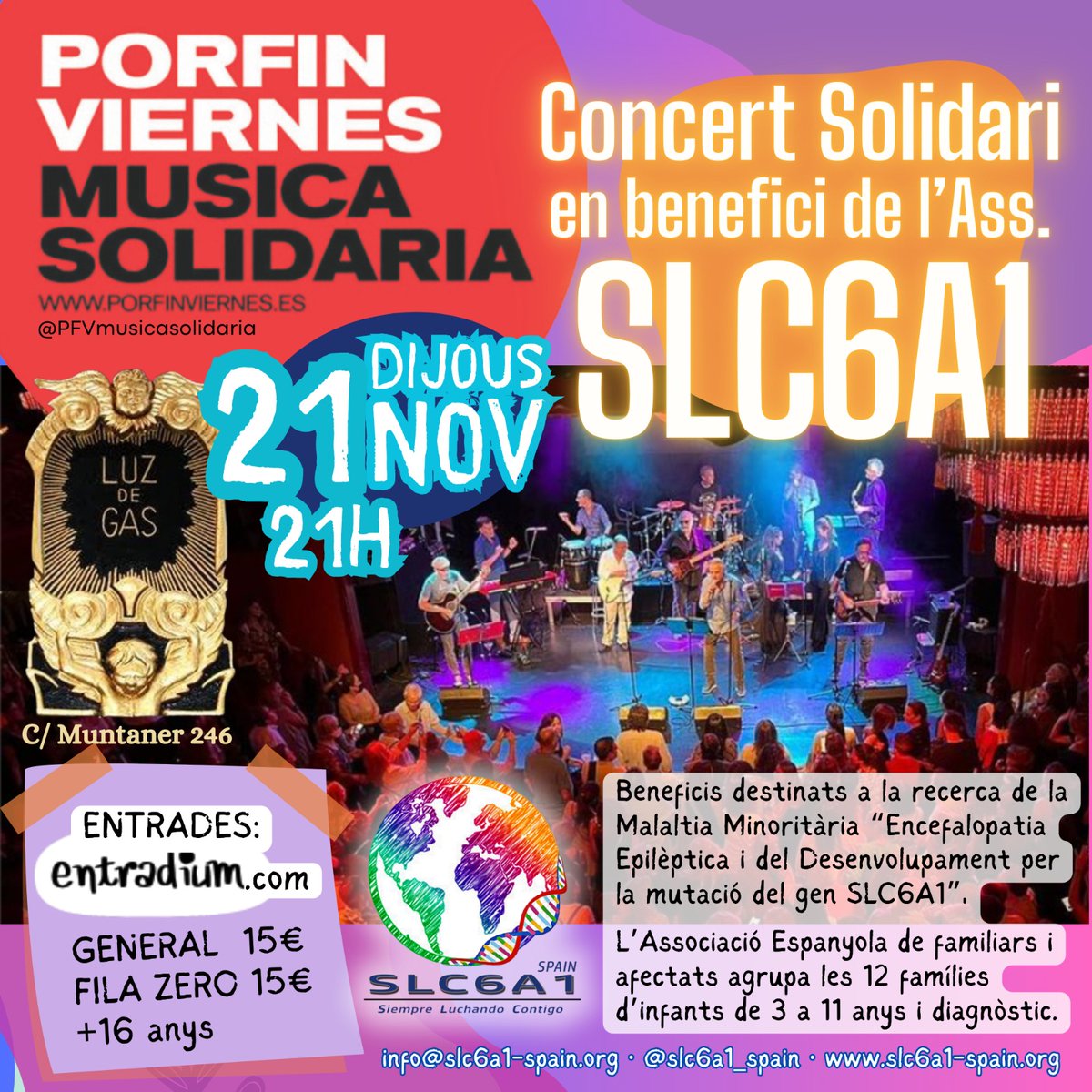
  • Poster for a charity music event for SLC6A1 at Luz de Gas Club

    Charity music for SLC6A1 at Luz de Gas Club

    Poster for a charity music event for SLC6A1 at Luz de Gas Club

    On Thursday 21 November, at 9 pm, Luz de Gas Club hosted a charity music night for SLC6A1. The initiative was linked to Por Fin Viernes and encouraged the public to join a musical evening with a charitable purpose.

    At SLC6A1-Spain we thank everyone who supported and took part in making this event possible. Every gesture helps raise awareness of the SLC6A1-related syndrome and brings this reality to more people.

    A night to share

    The event took place at Luz de Gas Club, a live music venue. The announcement encouraged people to get their tickets and join this charity initiative through music.

    We continue working to make SLC6A1 better known and to build an ever more connected, informed and caring community. Thank you for being with us.

    Sources

    See the original post on X (in Spanish)

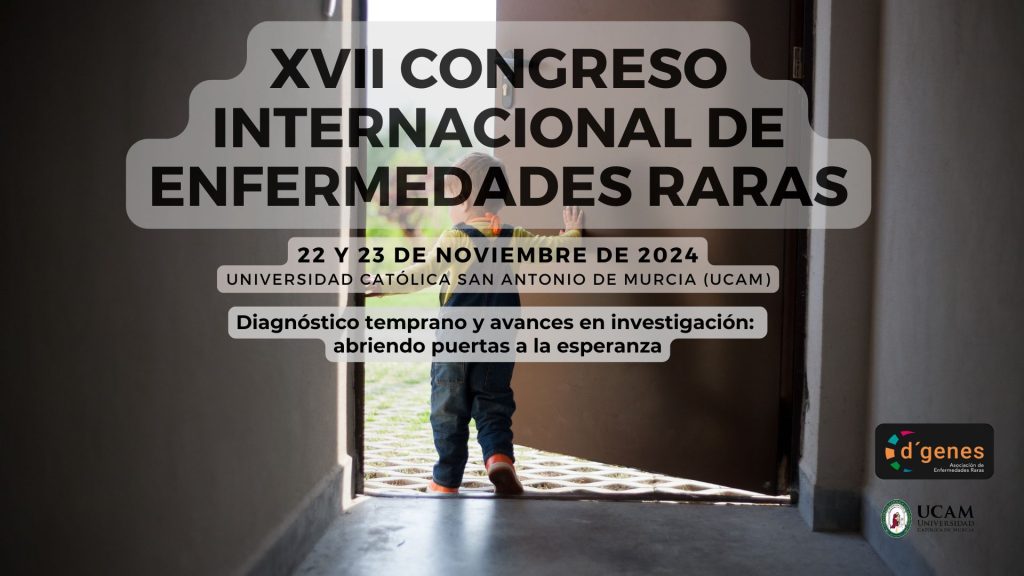
  • Announcement of SLC6A1-Spain’s online participation in the 17th International Congress on Rare Diseases

    We took part in the 17th International Congress on Rare Diseases

    Announcement of SLC6A1-Spain’s online participation in the 17th International Congress on Rare Diseases

    At SLC6A1-Spain we closely follow the spaces that help raise awareness of rare diseases and bring together families, professionals, bodies and organisations.

    That is why we joined the 17th International Congress on Rare Diseases (XVII Congreso Internacional de Enfermedades Raras) online, on Friday 22 and Saturday 23 November 2024, at the Universidad Católica San Antonio de Murcia (UCAM).

    These meetings encourage the exchange of knowledge and experience about rare diseases. They also help strengthen collaboration networks and keep the needs of affected people and their families in view.

    For our association, taking part in initiatives like this is an opportunity to keep learning, share the reality of people with changes in SLC6A1 and help raise awareness of this condition.

    We thank the organising and participating bodies for their work to bring rare diseases closer to society and to create spaces for meeting.

    Sources

    See the original post on X (in Spanish)

  • Training to strengthen our children’s voice

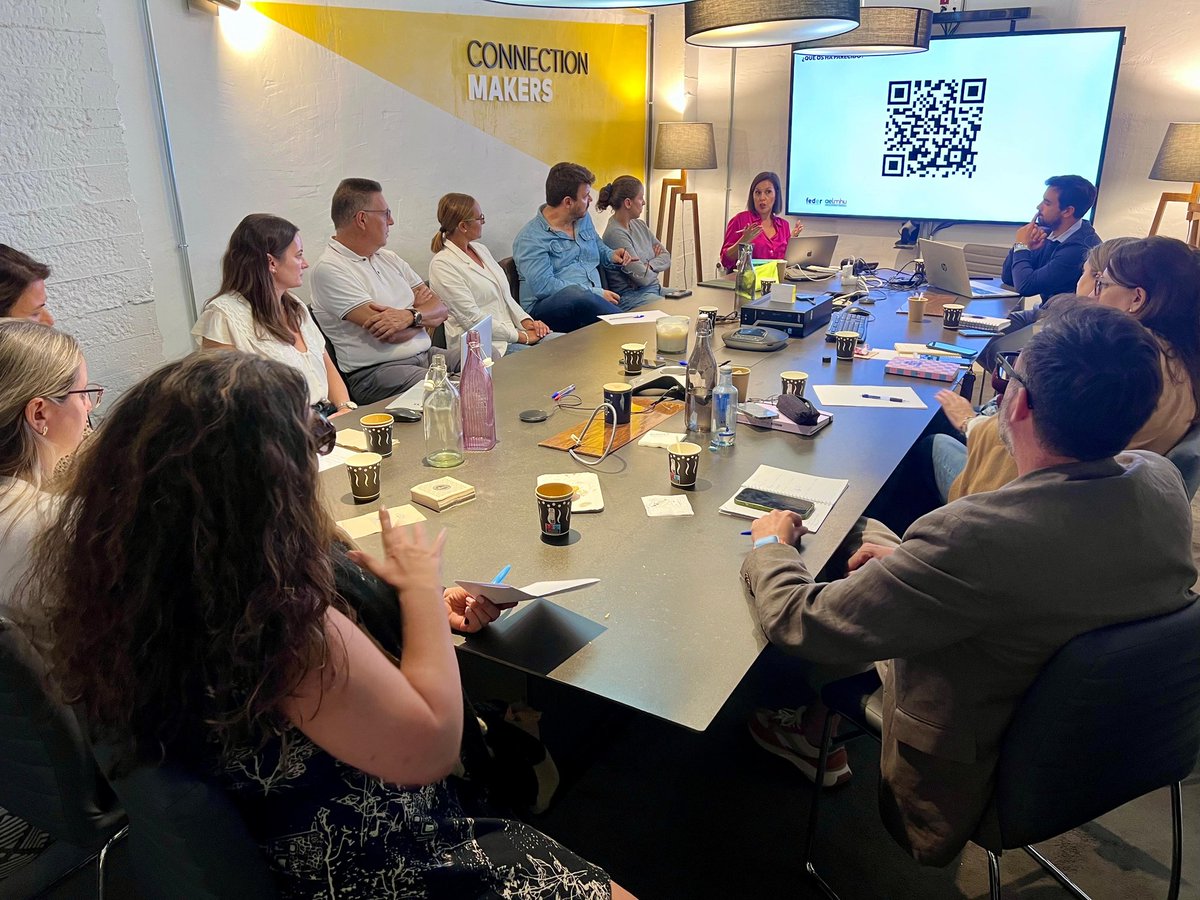
    Two family members from our community attended the Spokesperson Training (Formación de Portavocías) organised by FEDER and AELMHU. For us, these spaces are an opportunity to learn, share experiences and strengthen families’ voices.

    During the day they worked on communication skills that are useful in different contexts, such as meetings with public authorities, conversations with journalists and awareness-raising activities. Communicating in a clear, approachable and rigorous way is important to explain the reality of people and families affected by SLC6A1-related disorders.

    A voice built together

    Representing families requires listening, preparation and the ability to convey our needs and priorities. Spokesperson training helps us take part in these spaces with greater confidence and consistency, always respecting the diversity of experiences.

    At SLC6A1-Spain we continue working to raise awareness of this rare disease, encourage collaboration and strengthen families’ participation. Everything we learn together can help us move towards clearer communication and a more aware society.

    We thank FEDER and AELMHU for organising this training and for the meeting space they provided.

    Family members linked to SLC6A1-Spain during a spokesperson training organised by FEDER and AELMHU

    Sources

    See the original post on X (in Spanish)