At SLC6A1-Spain we believe that understanding genetics better helps us to understand the disorder associated with SLC6A1 and to ask informed questions together with healthcare professionals.
DNA, genes and variants
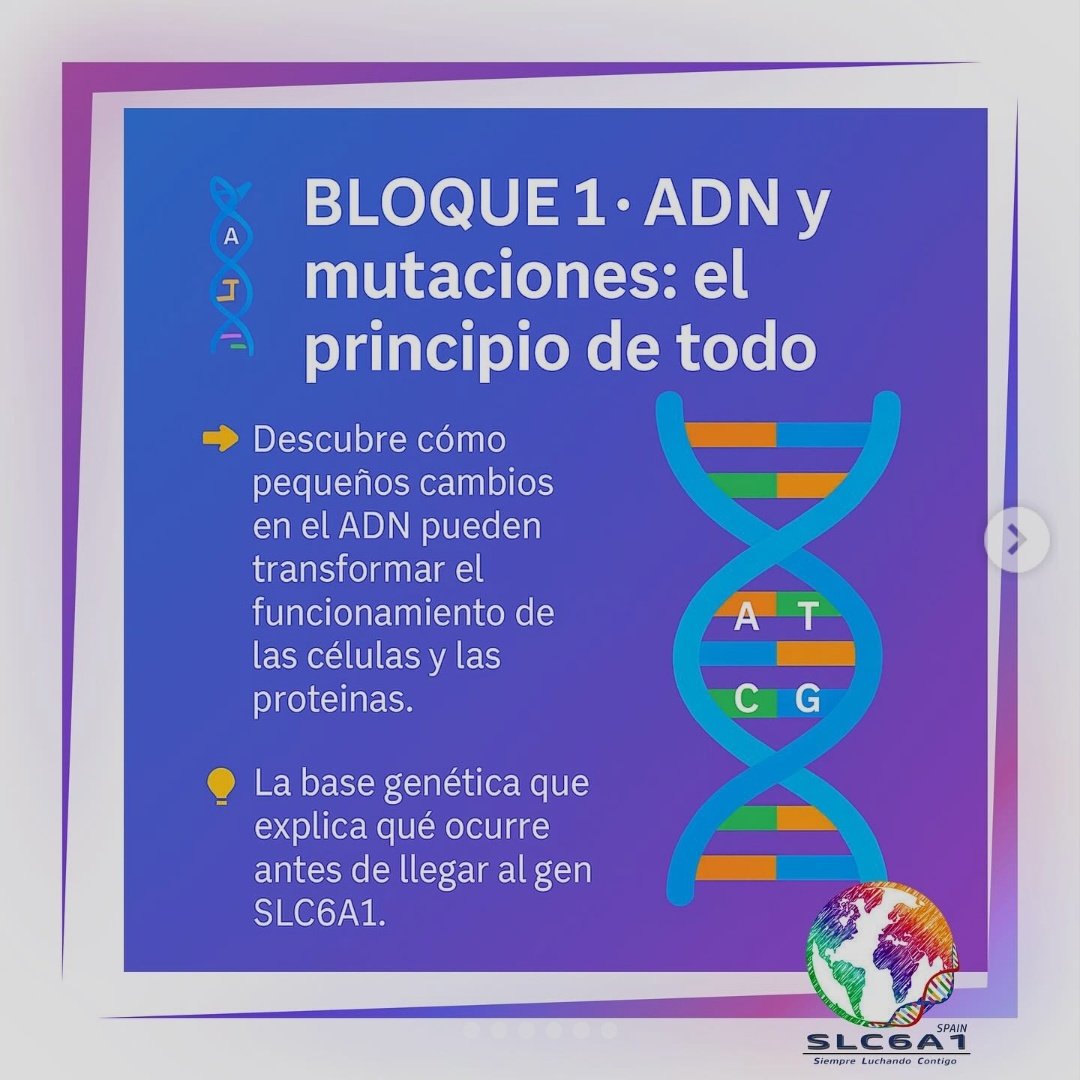
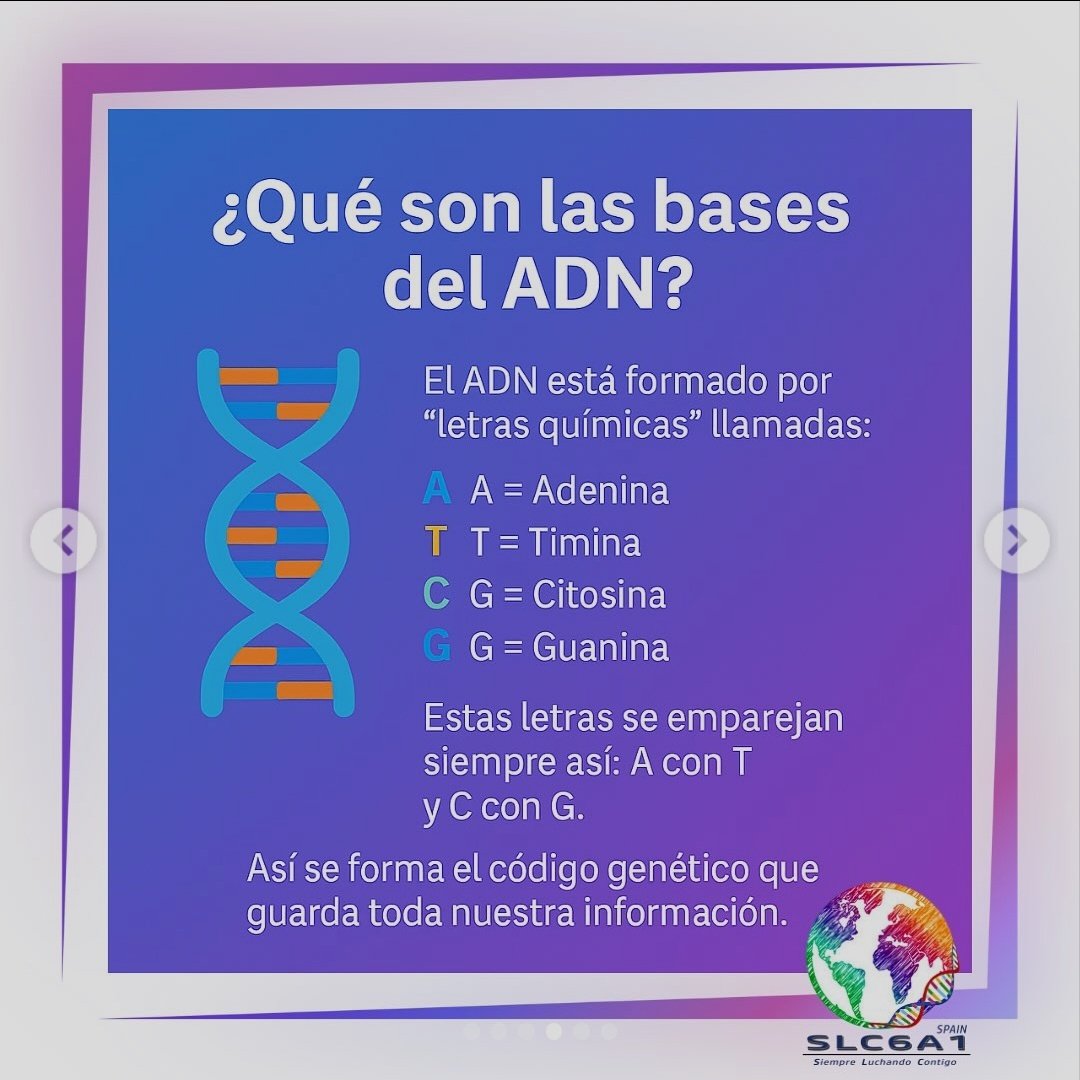
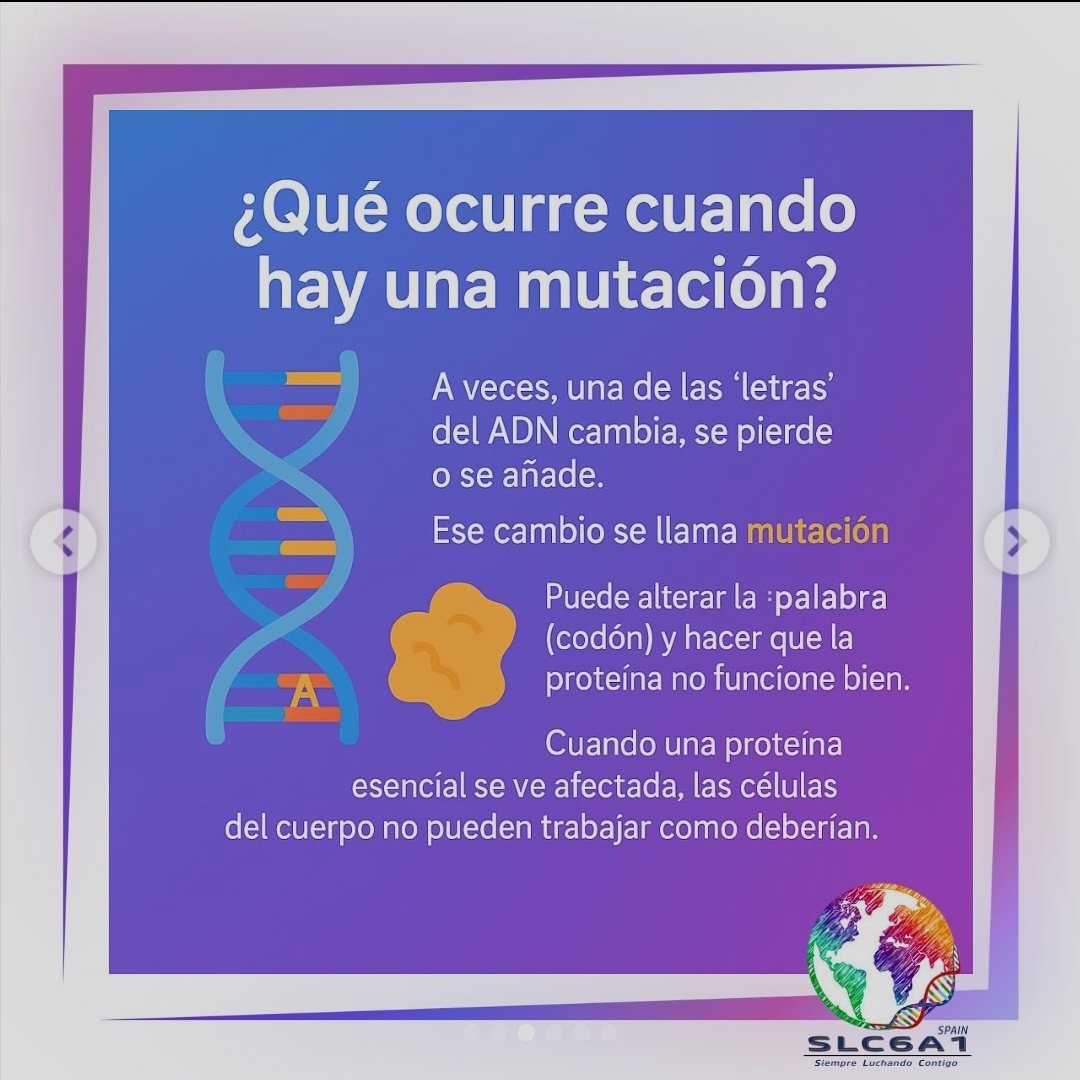
DNA contains our body’s genetic information. It is made up of four chemical “letters”, represented by A, T, C and G, which combine to form instructions.
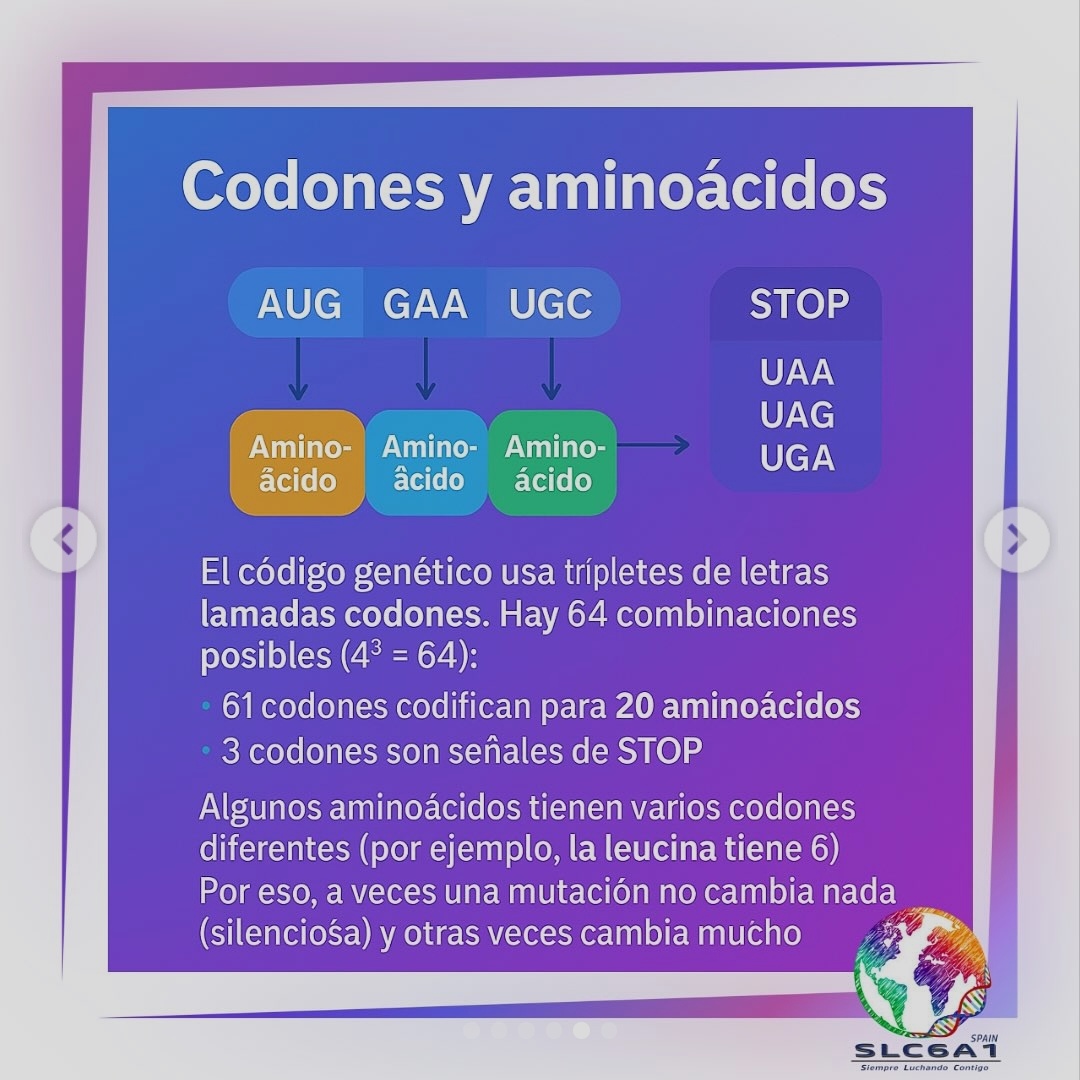
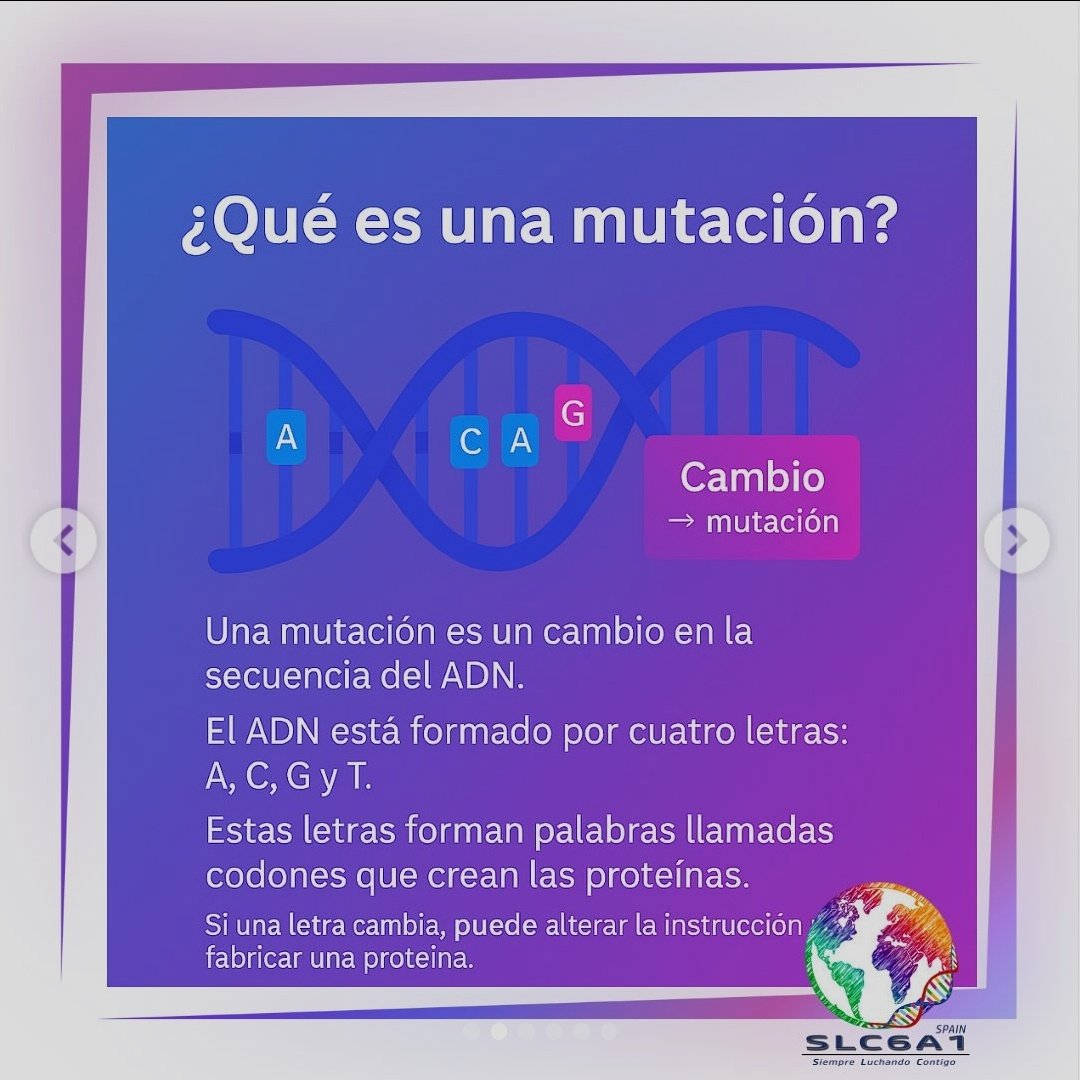
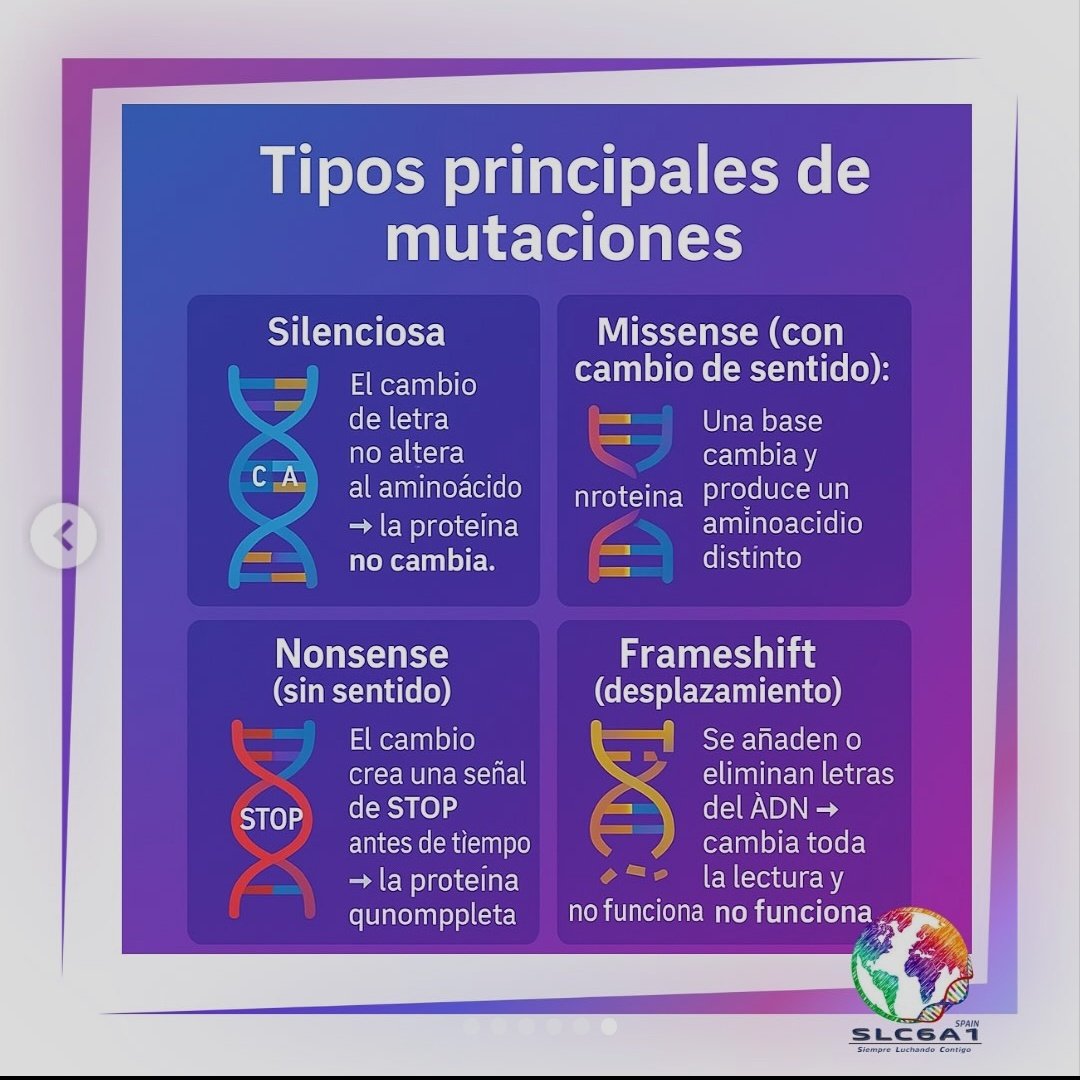
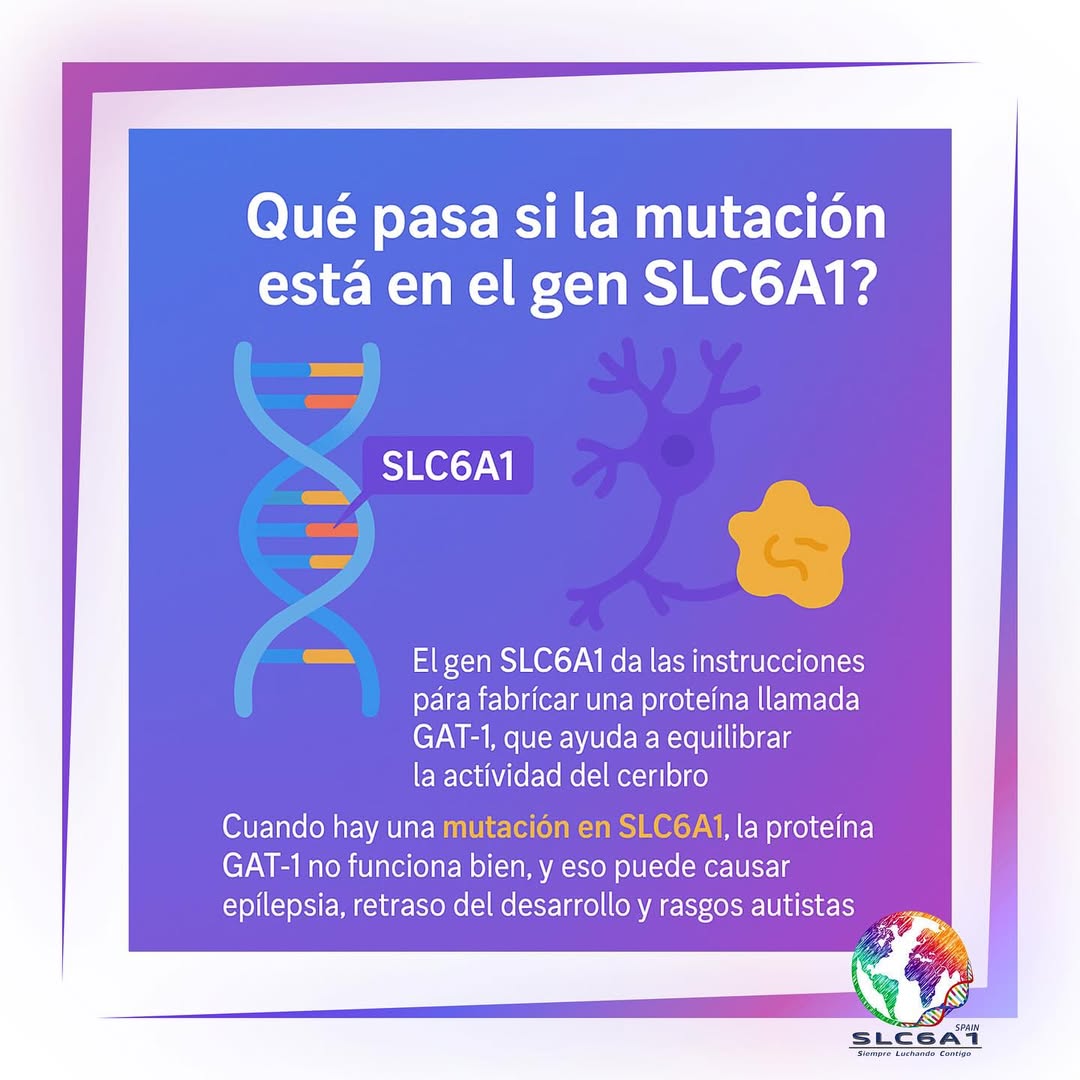
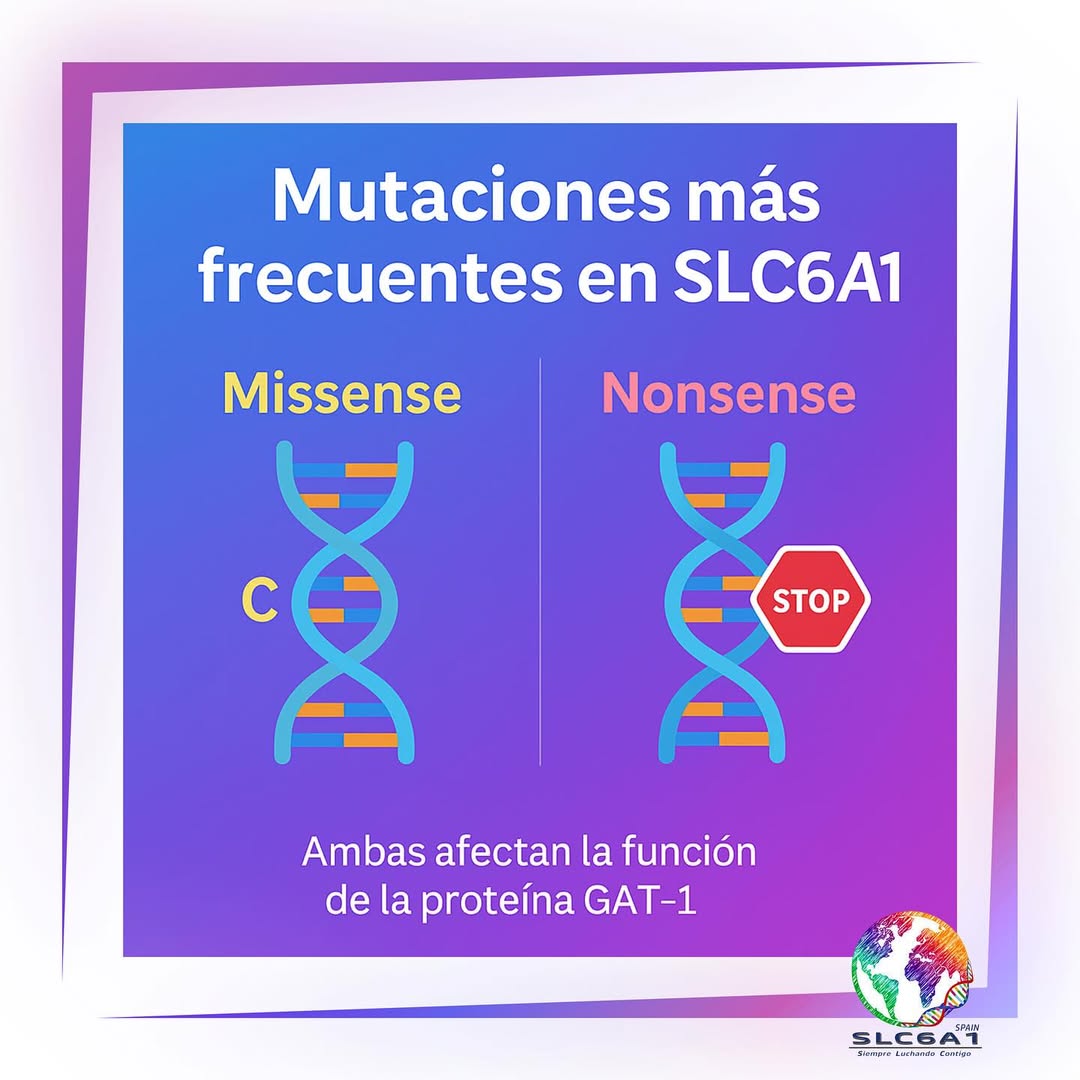
Some of these instructions are organised into codons, which relate to amino acids, the building blocks needed to make proteins. Sometimes a letter can change, be missing or be added. These changes are called variants or mutations.
Their effects are not always the same: some changes may have no visible consequences, while others may alter the shape or function of a protein. This diversity is one reason why people with changes in SLC6A1 may be affected in different ways.
How is SLC6A1 related to GABA?
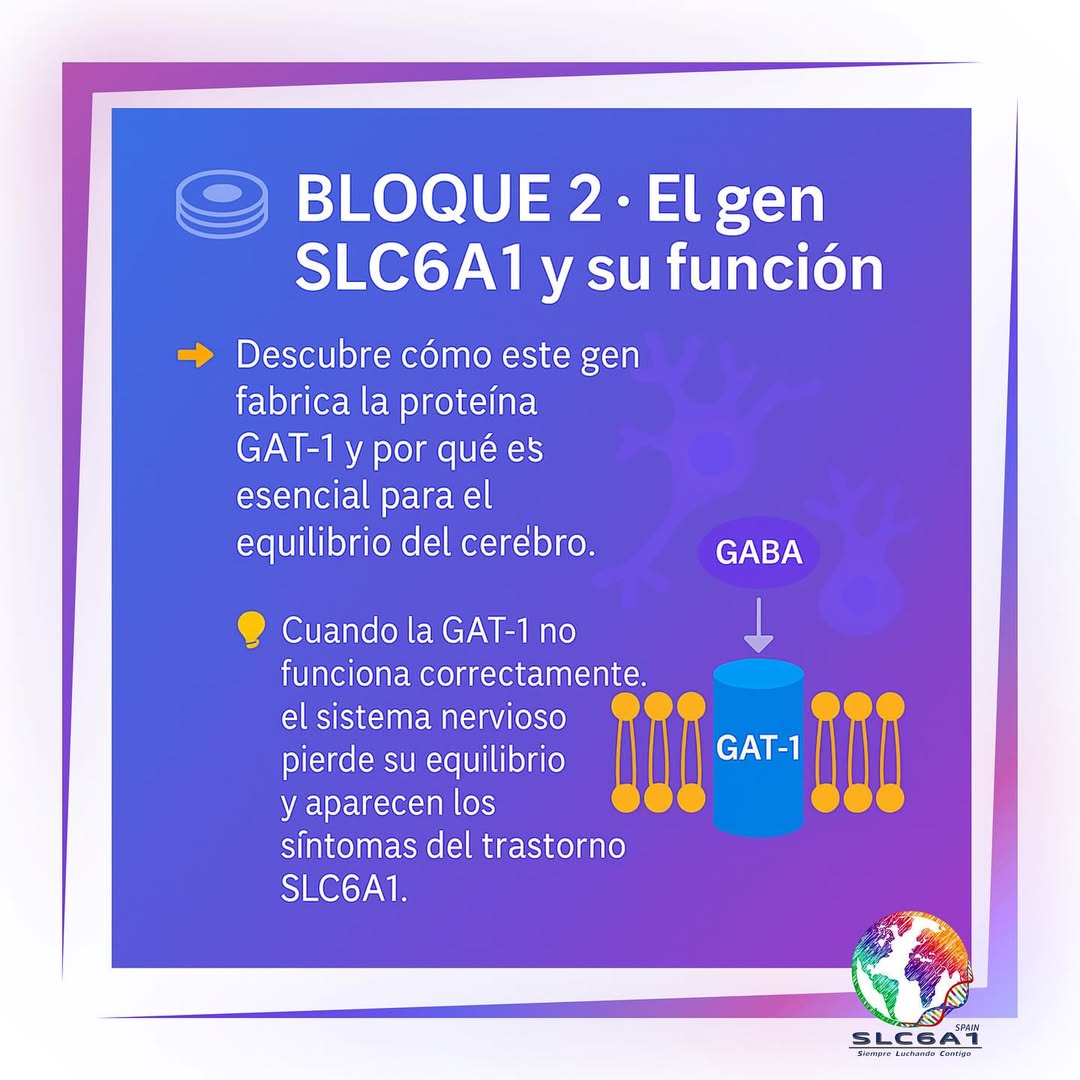
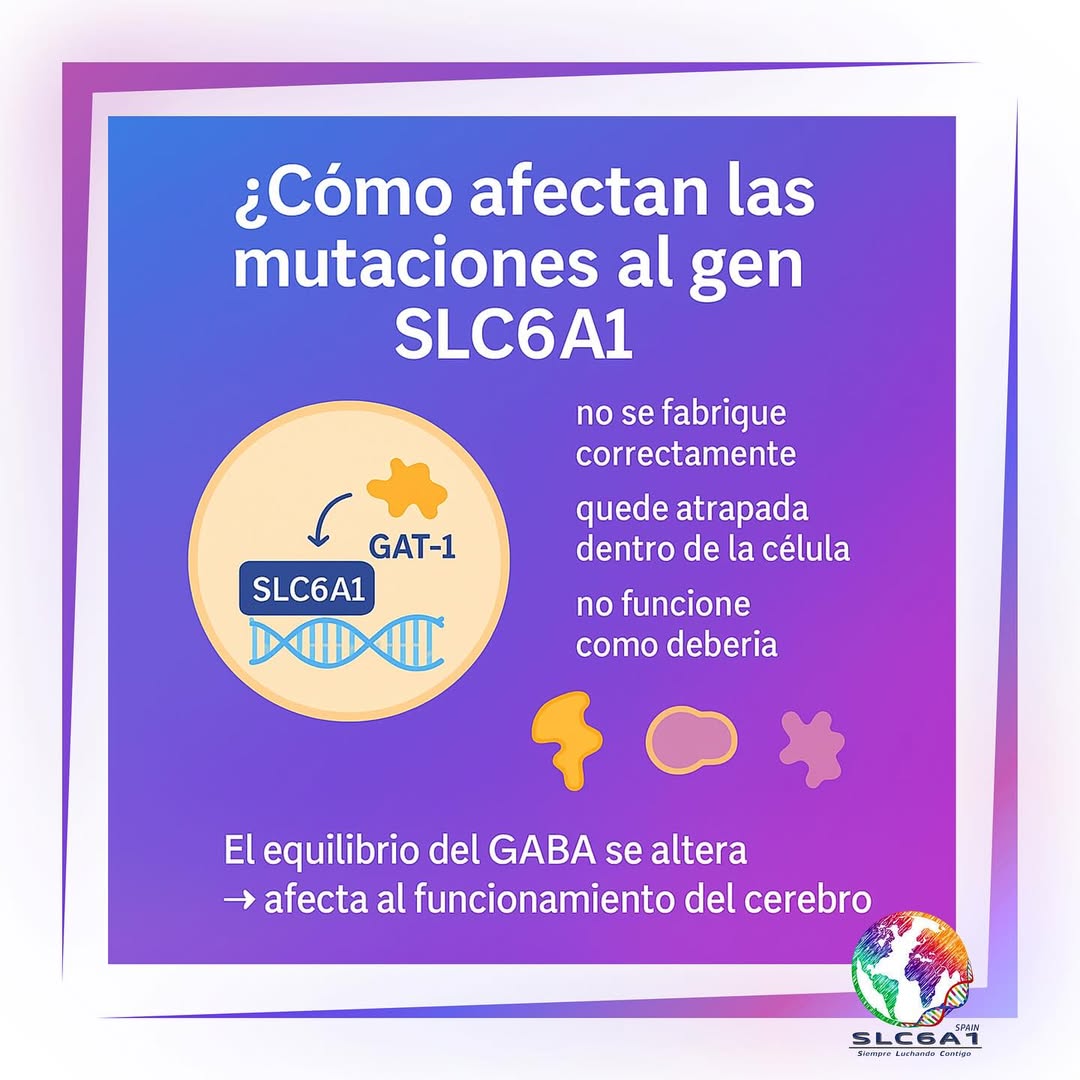
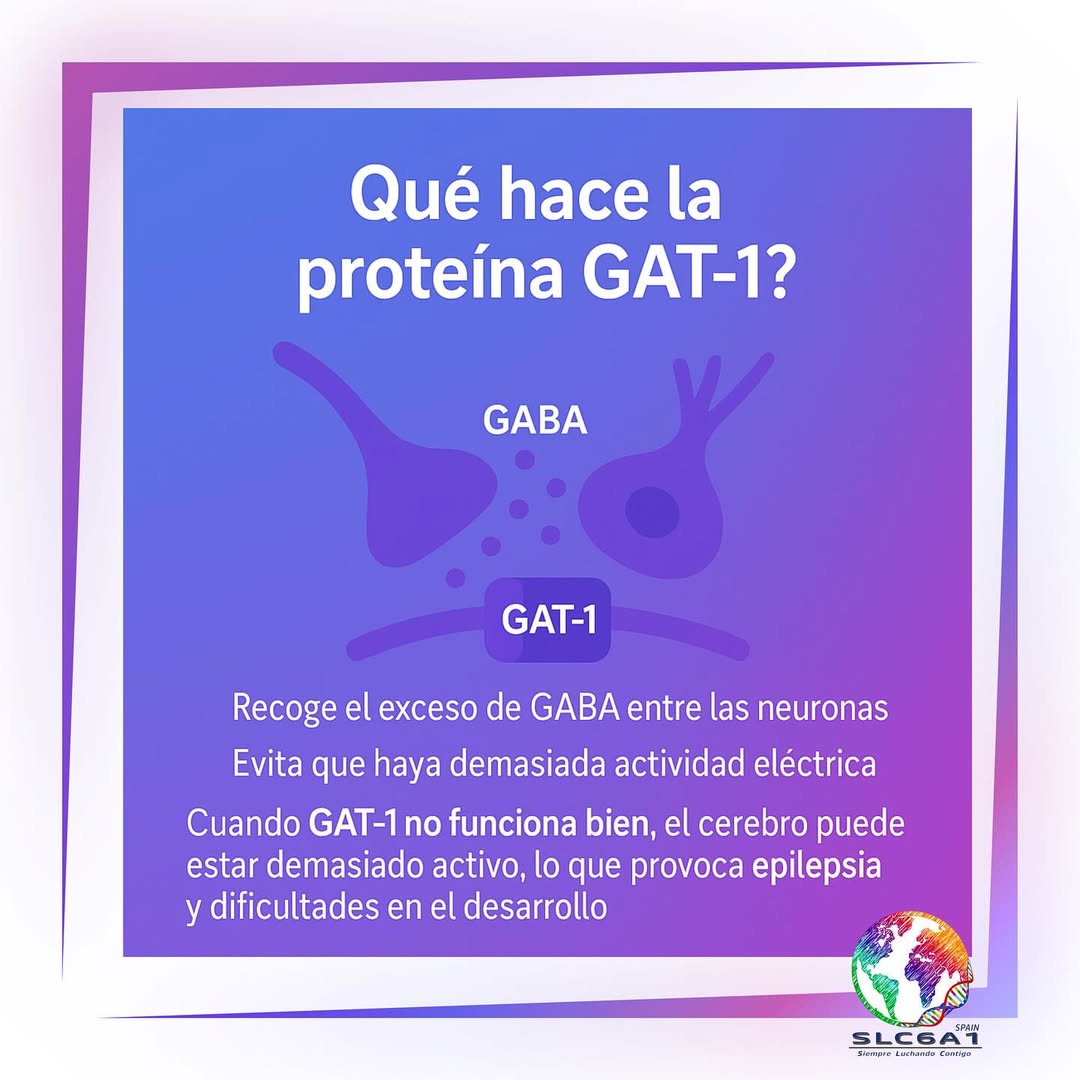
The SLC6A1 gene is related to the production of the GAT-1 protein. This protein takes part in transporting GABA, an inhibitory neurotransmitter in the brain.
Communication between nerve cells depends on a balance between signals that activate and signals that inhibit. When a variant in SLC6A1 affects how GAT-1 works, this balance may be disrupted. Exactly how this happens, and its consequences, are still being studied.
What does haploinsufficiency mean?
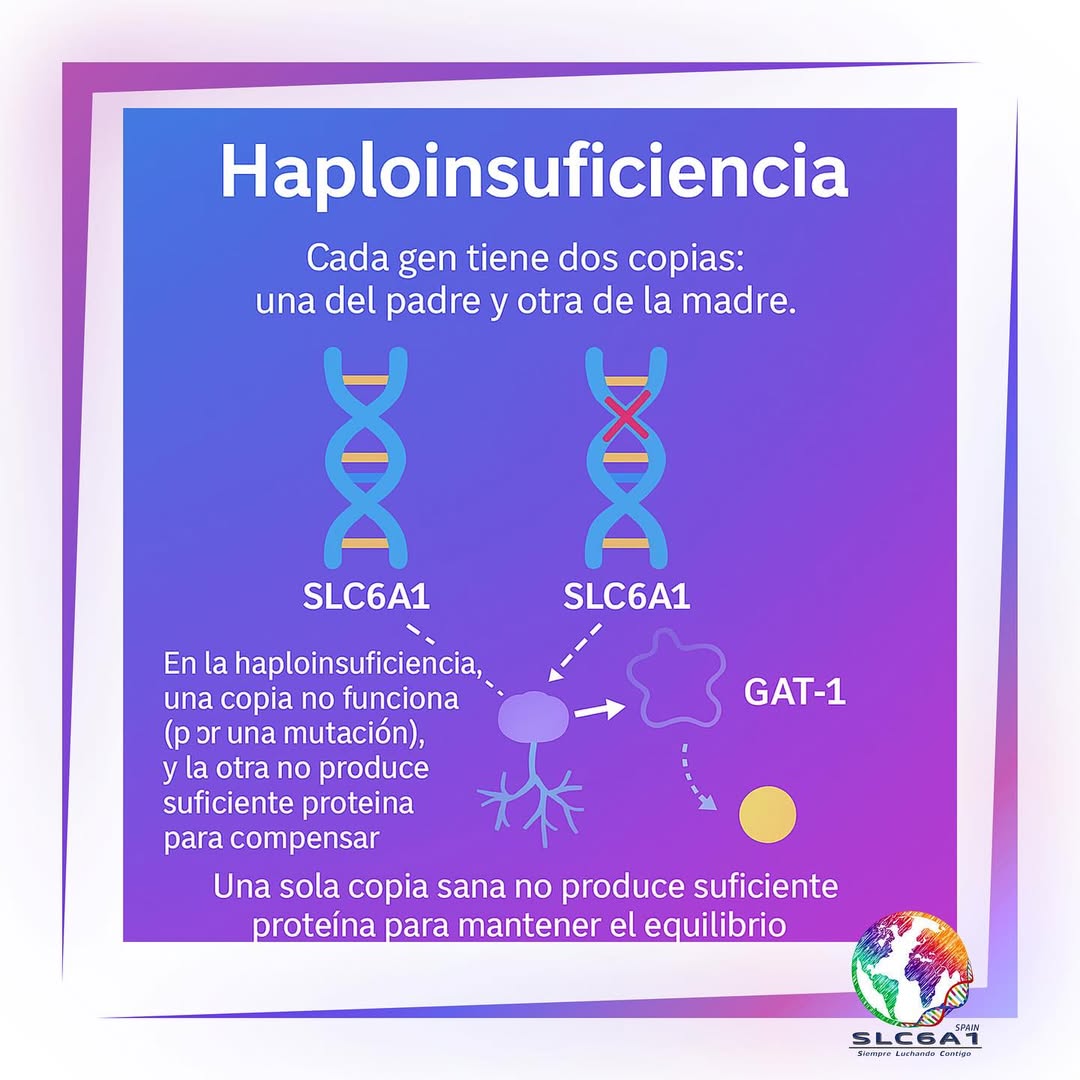
Haploinsufficiency describes a situation in which a single working copy of a gene does not produce enough of a protein for its function to be properly maintained. In the context of SLC6A1, this concept helps to explain why reduced GAT-1 function can have effects on the nervous system.
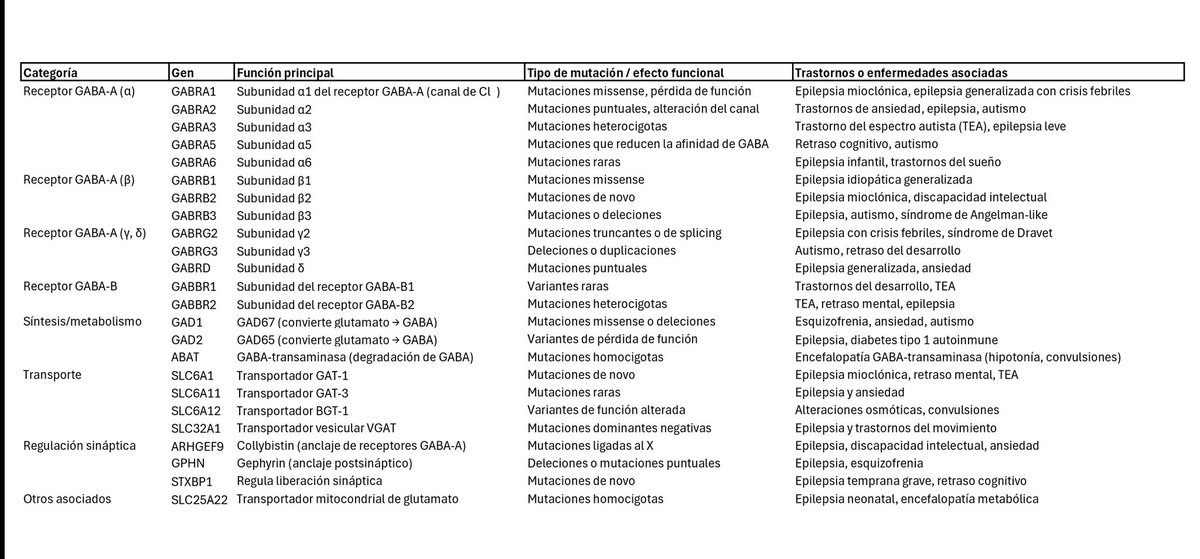
Research continues in order to better understand the relationship between variants, GAT-1 function and the features that may appear, such as epilepsy, developmental difficulties or some autism spectrum traits. Every advance in knowledge can help improve understanding of, and support for, people and their families.