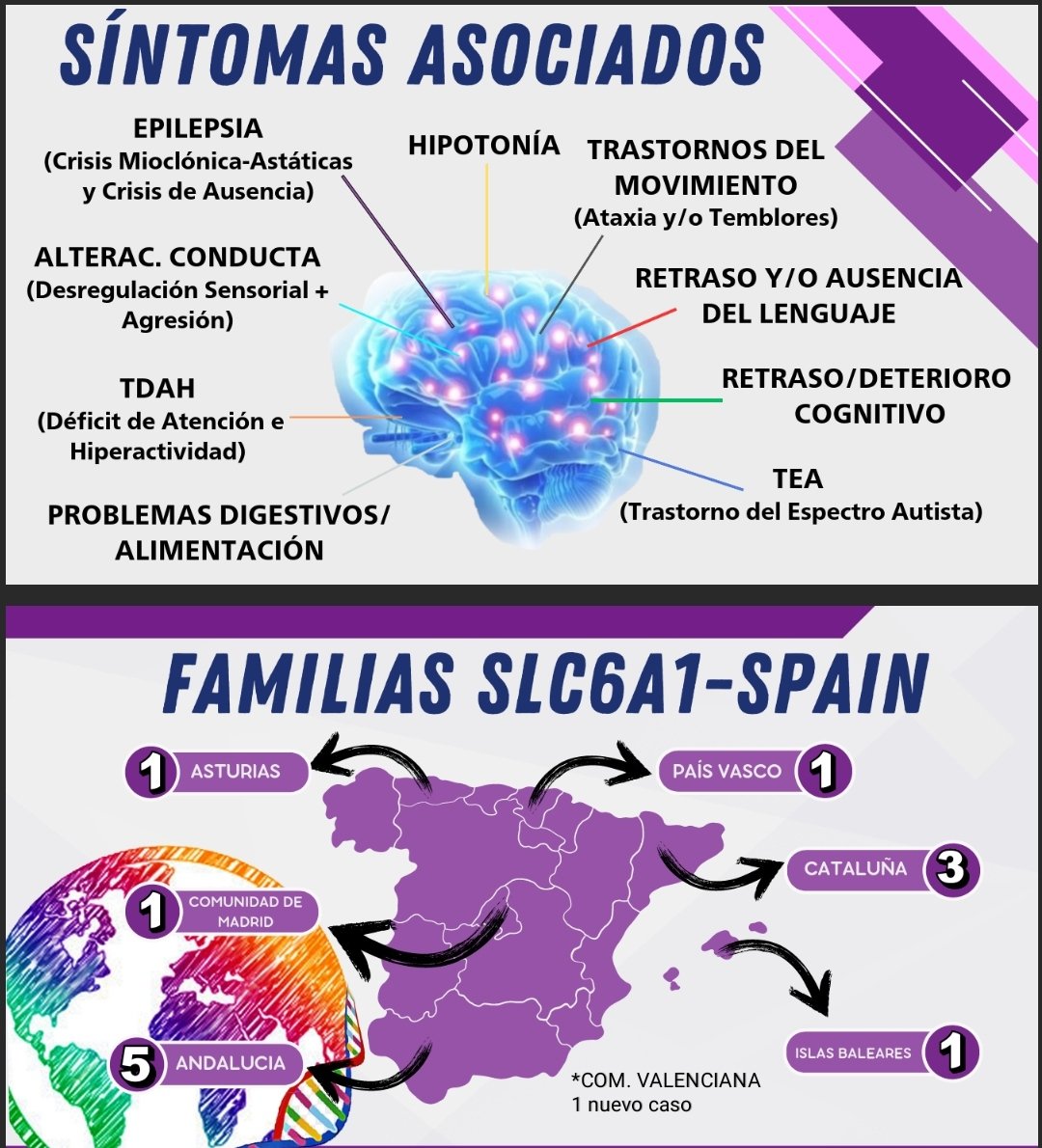
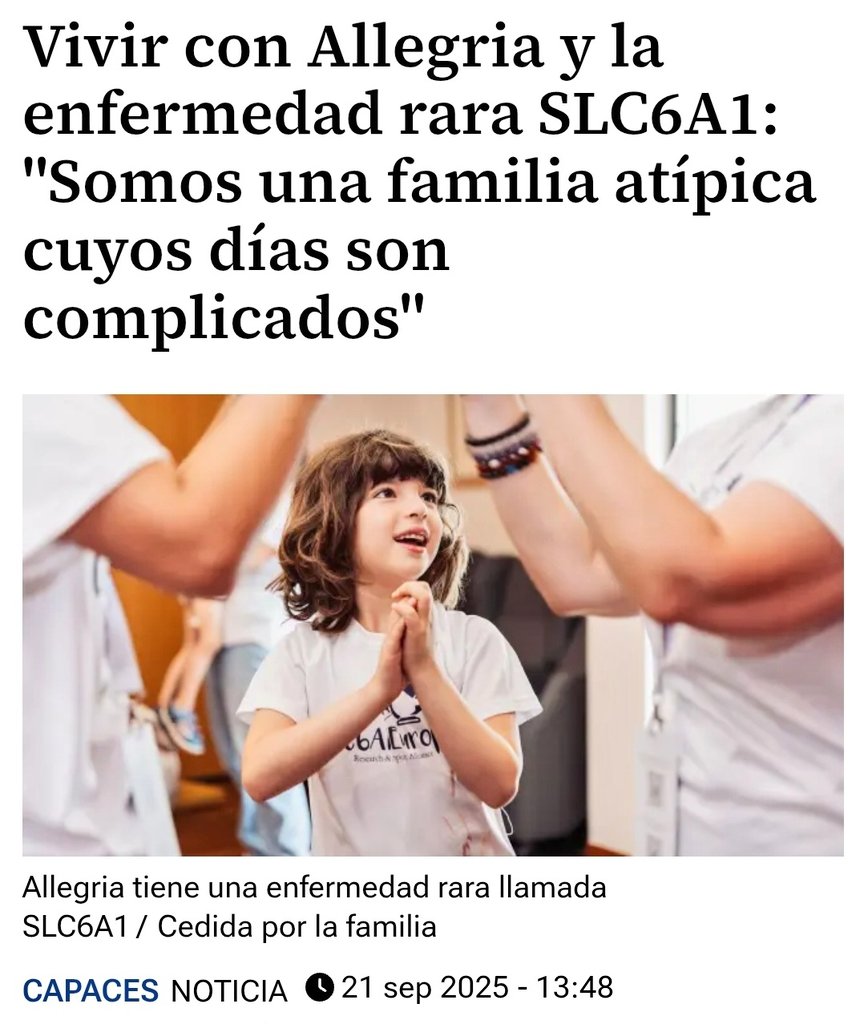

A family affected by SLC6A1 has publicly shared their experience of living with a rare disease that may be associated with epilepsy, learning and communication difficulties, intellectual disability and behavioural changes. How these features appear, and how intense they are, differs from person to person.
Their testimony highlights a reality that many families know well: receiving a diagnosis can be experienced as a period of grief. At that time, fear, uncertainty, worry about the future and the need to understand what the disease means in everyday life may arise.
Psychological support matters too
At SLC6A1-Spain we believe that families should not face the emotional impact of the diagnosis alone. Clear information, psychological support and contact with other families can help people go through this process with more support and understanding.
Daily life can bring challenges related to communication, emotional regulation, sleep, safety and behaviour. Each family finds its own path, with difficult moments but also with bonds, lessons and progress that deserve to be recognised.
Raising awareness to provide better support
Sharing these experiences helps society better understand the reality of rare diseases and keeps families’ needs in the public conversation. It also reminds us of the importance of building support networks that are respectful, accessible and sustained over time.
We thank the families who generously share their voices. Their stories help others feel less alone and strengthen our commitment to information, support and awareness of SLC6A1.
Read the full article in 20minutos (in Spanish)